
Facing a resisting arrest charge in Ashland can feel overwhelming, especially when the situation unfolded quickly and emotions were running high. A single encounter with law enforcement can suddenly place your freedom, record, and reputation at risk. At the Law Office of Nabiel C. Ahmed, we help individuals throughout Alameda County understand what they are accused of, what the law actually says, and what options may be available. This page explains how resisting arrest cases work in California, potential penalties, and how a focused defense can protect your future.
Many resisting arrest cases in Ashland start with a traffic stop, street contact, or a misunderstanding during an investigation that escalates unexpectedly. Prosecutors may move quickly, but you still have rights, including the right to challenge the officer’s version of events. Our firm’s criminal defense practice is dedicated to helping people in Alameda County and Contra Costa County fight back against aggressive charges. By learning more about resisting arrest law, you can make informed decisions, avoid common mistakes, and start building a defense that takes your unique circumstances into account.
Resisting arrest charges in Ashland may seem minor at first glance, but they can carry lasting consequences that reach far beyond the courtroom. A conviction can affect future employment, housing, immigration status, and even how future police encounters are handled. Working with a criminal defense law firm gives you a knowledgeable ally who understands local judges, prosecutors, and police practices in Alameda County. Effective representation can uncover inconsistencies in reports, challenge unlawful stops or excessive force, and highlight your side of the story. The goal is to protect your record, reduce penalties where possible, and safeguard your future opportunities.
The Law Office of Nabiel C. Ahmed is a criminal defense law firm serving Ashland, Oakland, and communities across Alameda County and Contra Costa County. Over years of practice, the firm has handled a wide range of cases, including resisting arrest, DUI, domestic violence, and other theft and related offenses. Our approach is hands-on and detail oriented, focusing on what actually happened during your encounter with law enforcement. We carefully review reports, audio, video, and witness accounts to build a defense strategy tailored to your circumstances, always keeping you informed and involved in every major decision.
Resisting arrest in California is often charged under Penal Code section 148, which involves delaying, obstructing, or resisting a peace officer or emergency medical technician in the performance of their duties. In Ashland, these cases can arise from physical struggles, pulling away, running, or even allegedly refusing to follow commands. However, the law does not allow officers to use unlawful force, and not every disagreement amounts to a crime. Understanding where the legal lines are drawn helps you see whether the prosecution’s version of events actually matches what the statute requires and whether the officer’s actions can be challenged.
Many people charged with resisting arrest did not set out to interfere with law enforcement. They may have been frightened, confused, or reacting to pain or medical conditions. Alcohol or stress can also affect how an encounter unfolds. In Ashland and throughout Alameda County, prosecutors often rely heavily on police narratives, but those accounts can be incomplete or one-sided. By examining the details closely, it may be possible to argue that you did not willfully resist, that the officer was not lawfully performing their duties, or that your actions have been exaggerated or misinterpreted.
Under California law, resisting arrest generally means willfully delaying, obstructing, or resisting a peace officer or emergency responder who is lawfully performing official duties. This can include physical conduct, such as pulling away, tensing up, or running, but it may also include certain actions that hinder an investigation. In Ashland, officers may allege resisting when a person hesitates, questions commands, or is slow to comply, even when the situation is confusing or chaotic. The prosecution must still prove each element beyond a reasonable doubt, including that the officer was performing a lawful duty and that your conduct went beyond mere words.
Every resisting arrest case in Ashland revolves around several key elements: the officer’s lawful duty, your alleged conduct, and whether the actions were willful. The process usually begins with an arrest and booking at a local jail, followed by release on bail or recognizance. Your first court appearance, called an arraignment, is where charges are formally read and a plea is entered. From there, your attorney may request police reports, body camera footage, and other discovery. Negotiations, motion practice, and possible hearings follow. Throughout this process, your defense aims to challenge weaknesses in the case and seek the most favorable outcome.
Legal language can feel confusing at a time when you already have enough to worry about. Resisting arrest cases in Ashland involve terms that appear in police reports, court paperwork, and discussions with the prosecutor. Understanding what these phrases actually mean can help you follow your case and make informed decisions. The glossary below highlights common words and concepts used in California resisting arrest prosecutions, including the officer’s official duties, the idea of willful conduct, and how obstruction or delay is described. Clear definitions help you cut through legal jargon and better understand what is really at stake for you.
“Lawful performance of duties” refers to a peace officer or emergency responder acting within the limits of the law while carrying out official responsibilities. In resisting arrest cases in Ashland, the prosecution must show the officer was not using unreasonable force, conducting an illegal search, or detaining someone without proper legal basis. If an officer acts outside these boundaries, the law may treat your response differently. Examining whether the officer’s actions were lawful is often a key part of the defense strategy, because it directly affects whether a resisting arrest charge is legally valid.
The phrase “obstruct, resist, or delay” describes the types of conduct that can lead to a resisting arrest charge. In Ashland, this may include physically struggling, blocking an officer’s path, or actions that significantly slow down an investigation or arrest. However, not every disagreement or moment of confusion qualifies. The conduct must be more than simple words or lawful criticism of police actions. By reviewing video, witness statements, and the timing of events, your defense attorney can evaluate whether what you allegedly did truly meets this standard or whether the accusation stretches the meaning of the statute.
“Willful conduct” means that a person acted on purpose, rather than by accident or mistake. In the context of resisting arrest charges in Ashland, prosecutors must prove that you intentionally did something that delayed, obstructed, or resisted a peace officer. This does not require that you intended to break the law, only that the actions were voluntary. Defense strategies may focus on confusion, miscommunication, medical conditions, fear, or other circumstances that show you did not willfully interfere with the officer’s duties, even if the situation became tense or chaotic in a matter of seconds.
“Custodial arrest and detention” occurs when officers in Ashland formally take a person into custody, often leading to handcuffing, transport, and booking at a local jail. Resisting arrest allegations frequently arise during this phase, when a person panics, pulls away, or questions what is happening. The line between lawful self-protection and unlawful resistance can be thin, particularly if a person feels pain or believes excessive force is being used. Understanding what officers are allowed to do during an arrest, and what rights you retain, is important when evaluating whether the charge accurately reflects your conduct.
After a resisting arrest charge in Ashland, you may have several potential paths: fighting the case at trial, negotiating for dismissal or reduction, or seeking a plea agreement with reduced penalties. Some individuals consider resolving the case quickly just to “get it over with,” while others want to challenge every aspect of the accusation. Each option carries different risks and benefits, especially when other charges such as DUI, public intoxication, or theft-related offenses are involved. Carefully weighing the evidence, your background, and potential long-term consequences helps determine whether a limited approach or a more comprehensive defense makes sense.
In some Ashland cases, a limited defense strategy may work when the alleged resistance is minor, no one was injured, and you have little or no prior criminal history. Prosecutors and judges sometimes view these situations as opportunities for education and rehabilitation, rather than harsh punishment. A narrower approach may focus on obtaining diversion, informal probation, or a reduction to a less serious offense. The goal is to protect your record as much as possible while avoiding the stress and uncertainty of extended litigation, especially when the evidence suggests the incident was out of character and unlikely to recur.
A limited approach may also make sense when the evidence in an Ashland resisting arrest case is strong, but there are still reasons for the prosecutor to offer a favorable deal. This might include lack of injuries, quick cooperation after the initial incident, or mitigating factors such as mental health or difficult life circumstances. In these situations, your attorney may focus on presenting your background, treatment efforts, employment history, and community ties. The objective is to persuade the court and prosecution that a negotiated resolution with reduced consequences serves justice better than a contested trial.
When a resisting arrest charge in Ashland involves injuries to an officer, allegations of violence, or additional charges such as assault, DUI, or theft, a comprehensive defense becomes especially important. These cases can expose you to jail time, probation terms, fines, and long-lasting effects on employment and immigration. A more expansive strategy may involve challenging the lawfulness of the stop, the amount of force used, the accuracy of the reports, and the credibility of witnesses. Thorough preparation can uncover inconsistencies and alternative explanations, increasing the chances of dismissal, reduction, or acquittal in court.
If you already have a criminal record or face multiple cases, the way your resisting arrest charge is resolved in Ashland can influence future outcomes. Prior convictions may affect sentencing, probation options, and how law enforcement interacts with you during later encounters. A comprehensive defense pays careful attention to these long-term consequences, not just the immediate case. This can include coordinating strategies across related cases, gathering supportive records, and seeking resolutions designed to minimize future exposure. For many people, investing time and effort in a more thorough defense now can prevent more serious problems down the road.
A comprehensive defense strategy takes into account the full picture: the legal issues, the factual disputes, your personal history, and how a resisting arrest conviction could affect your life in Ashland and beyond. By fully examining body camera recordings, dispatch logs, medical records, and witness statements, your attorney may uncover defenses that are easy to miss with a more limited approach. This thorough review can lead to suppressed evidence, reduced charges, or more favorable plea offers. It also helps ensure your side of the story is clearly and persuasively communicated to the prosecutor and the court.
Beyond courtroom results, a comprehensive approach often considers treatment, counseling, or other support services that benefit you outside the legal system. Judges and prosecutors in Alameda County may look more favorably on people who take proactive steps to address substance use, mental health, or anger management concerns. Incorporating these efforts into your defense can strengthen negotiations and help secure outcomes that focus on rehabilitation rather than punishment. This broader strategy aims not only to reduce immediate penalties but also to support long-term stability, improved relationships with law enforcement, and a better path forward after the case ends.
A comprehensive defense in an Ashland resisting arrest case allows for a detailed review of the prosecution’s evidence, rather than accepting the police narrative at face value. This includes examining body camera footage frame by frame, reviewing radio communications, and interviewing witnesses who saw what happened. Sometimes video contradicts written reports or shows that your actions were defensive rather than aggressive. By identifying these differences, your attorney can file motions to exclude unreliable evidence or present a powerful alternative version of events. This depth of analysis can significantly improve your chances of a favorable resolution.
When the prosecution and court see that your defense in Ashland is well-prepared and supported by facts, you are often in a stronger position for negotiation or sentencing. A comprehensive strategy helps gather documents that demonstrate your employment, family responsibilities, community involvement, and efforts at self-improvement. These details can influence whether a prosecutor is willing to reduce charges, offer diversion, or agree to probation instead of jail time. If sentencing becomes necessary, a thorough presentation of mitigating factors gives the judge a fuller understanding of who you are, not just the allegations described in police reports.


After an arrest in Ashland, it can be tempting to explain your side of the story to officers, friends, or posting on social media. Unfortunately, statements you make can be misunderstood, taken out of context, or used against you later in court. The safest approach is to remain polite but firm, clearly stating that you wish to remain silent and want to speak with an attorney before answering questions. This protects your constitutional rights and prevents unplanned comments from complicating your resisting arrest case or any other related charges that might follow.
Some people initially assume a resisting arrest charge in Ashland is minor because it is often filed as a misdemeanor. However, the consequences can be lasting and may affect employment, licensing, and immigration. Taking the case seriously from day one allows more time to investigate, negotiate, and prepare for hearings or trial. Attending all court dates, staying in close contact with your attorney, and following any release conditions shows the judge that you are responsible and engaged. A proactive mindset can open the door to better resolutions and reduce the risk of unexpected complications in your case.
Resisting arrest cases often involve tense interactions, disputed facts, and complex legal standards. In Ashland, officers and prosecutors may view the alleged conduct as a challenge to law enforcement authority, which can influence how they approach the case. Having a criminal defense law firm on your side can help balance that dynamic. Your attorney can analyze whether the officer’s actions were lawful, whether your conduct was truly willful, and whether body camera footage supports or weakens the accusations. Protecting your record, freedom, and future opportunities is a strong reason to seek dedicated legal guidance.
Another important reason to seek legal help is the ripple effect a resisting arrest conviction can have on other aspects of your life in Ashland and the greater Alameda County area. Background checks for jobs, housing applications, and educational opportunities may all ask about criminal history. Immigration consequences can be particularly serious for non-citizens. In some cases, resolving a resisting arrest charge wisely can also help protect you in related matters, such as alleged disorderly conduct, DUI, or theft. Working with a knowledgeable attorney helps you understand these wider implications and plan for the best long-term outcome.
Resisting arrest charges in Ashland can arise in many different ways, often during everyday situations that suddenly spiral. Late-night traffic stops that involve suspected DUI, neighbor disputes that bring officers to a home, and encounters in public places like parking lots or bars can all escalate unexpectedly. People may not realize how their movements or words are interpreted by law enforcement, especially when they are frightened or confused. Understanding these common circumstances helps you recognize that you are not alone and that many others have faced similar accusations, often with viable defenses available under California law.
A frequent setting for resisting arrest allegations in Ashland is a traffic stop, particularly when officers suspect impaired driving or discover another possible offense. The roadside environment is stressful, with flashing lights, field sobriety tests, and quick instructions. If a driver questions what is happening, hesitates, or physically reacts during handcuffing, officers may interpret that behavior as resistance. Yet the law requires more than confusion or discomfort. Examining dash cam and body camera recordings, timing of commands, and your physical condition can help determine whether the charge truly reflects willful obstruction or a misunderstanding.
Domestic disputes and disturbance calls often involve high emotions, multiple people talking at once, and incomplete information. When Ashland officers arrive, they must quickly decide how to secure the scene and ensure safety. During this process, individuals may be separated, handcuffed, or moved away from the home. If someone tries to re-enter a room, stays too close to the scene, or reacts strongly to seeing a loved one detained, officers may claim resistance or obstruction. Understanding the emotional context and gathering statements from everyone present can be important in defending against these kinds of resisting arrest accusations.
Resisting arrest charges can also stem from public encounters in Ashland, such as contact in parking lots, parks, or near businesses. These situations may start with a report of suspicious activity, a complaint from a store, or an unrelated investigation. People who feel unfairly targeted may instinctively pull away, step back, or question commands, especially if they do not understand why they are being detained. Witnesses may only see part of the interaction, leaving room for confusion about what really happened. Careful review of surveillance footage, phone videos, and third-party accounts can be vital in these cases.
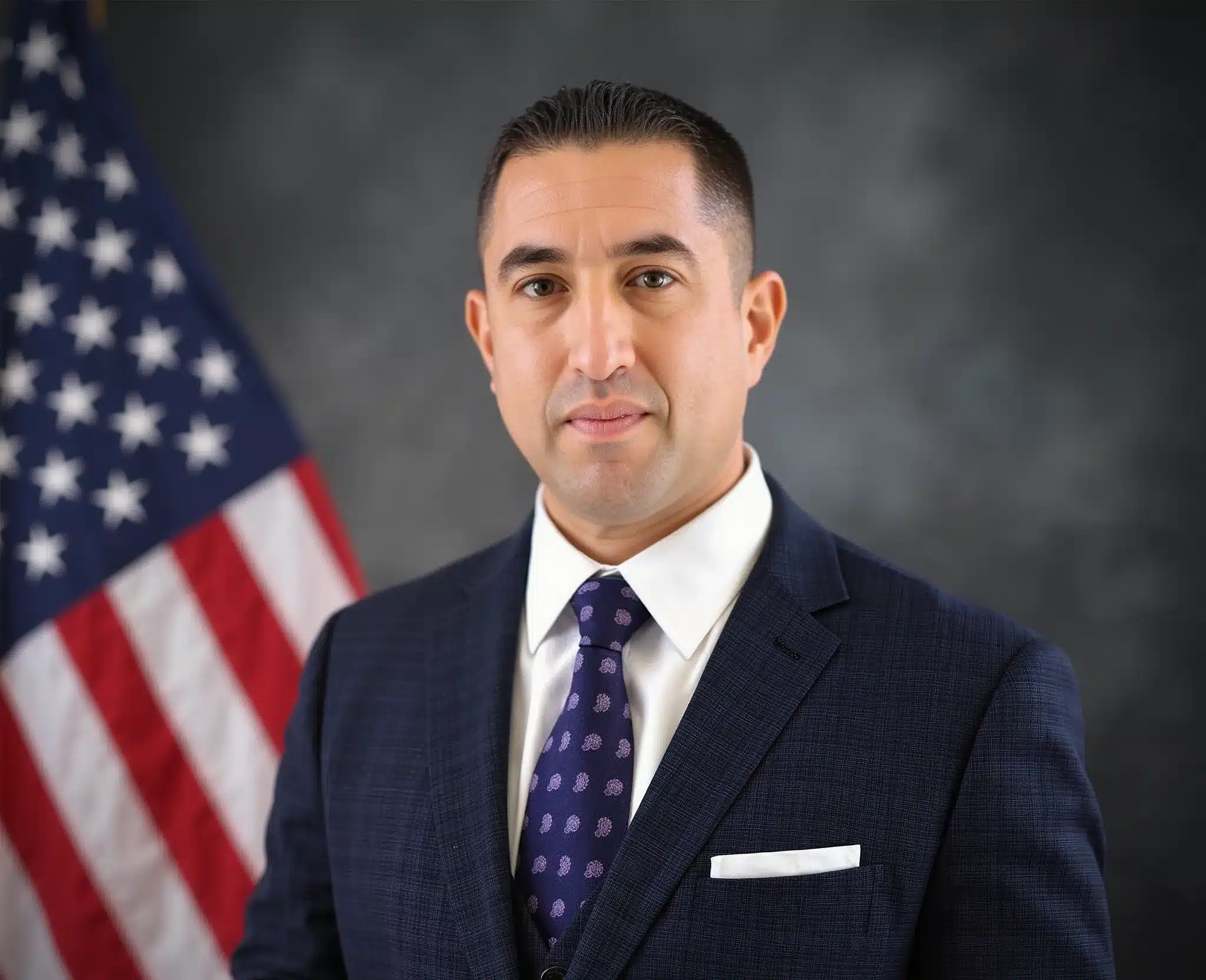
If you or someone you care about is facing a resisting arrest charge in Ashland, you do not have to navigate the Alameda County court system alone. The Law Office of Nabiel C. Ahmed provides guidance rooted in extensive criminal defense experience, focused on protecting your rights and telling your side of the story. From the first consultation, we work to understand what happened, explain the legal process, and outline realistic goals. Our team stays accessible, answers your questions, and keeps you updated as the case progresses, so you can move forward with a clearer sense of direction.
Choosing the right law firm for a resisting arrest charge in Ashland can make a meaningful difference in how your case is handled and how you experience the process. The Law Office of Nabiel C. Ahmed concentrates on criminal defense work throughout Alameda County and Contra Costa County, including charges that arise from encounters with police. We are familiar with local court procedures, prosecutorial practices, and the nuances of California resisting arrest law. Our goal is to put that knowledge to work for you by building a defense strategy that reflects both the facts and your personal priorities.
When you work with our firm, you are treated as an individual rather than a case number. We take the time to listen to your concerns, explain every stage of the process, and collaborate with you on important decisions. Whether your priority is avoiding jail, protecting immigration status, or limiting the impact on employment, we tailor our approach accordingly. By gathering meaningful evidence, identifying legal issues, and communicating effectively with the court and prosecution, we aim to secure the best result possible under the circumstances and help you move past this difficult chapter.
At the Law Office of Nabiel C. Ahmed, defending a resisting arrest case in Ashland begins with listening to your story. We start by reviewing the charges, court documents, and your recollection of the events. From there, we request discovery from the prosecution, including police reports and any available audio or video. Throughout this process, we keep you informed, answer questions, and help you understand the choices in front of you. Our approach is thorough yet practical, designed to identify the most promising defense strategies while seeking efficient, meaningful results in Alameda County courts.
The first step in addressing a resisting arrest charge in Ashland is a detailed consultation and case evaluation. During this meeting, we gather information about the arrest, your background, and any other pending charges. We explain the potential consequences, typical court timelines, and possible defense strategies based on what you share. This is also an opportunity for you to ask questions and understand how our firm communicates and operates. By the end of this stage, you should have a clearer sense of what lies ahead, what documents to collect, and how we plan to approach your defense.
During the first part of Step 1, we concentrated on understanding exactly what happened in Ashland and what matters most to you. We ask about the setting, the officers involved, whether there were witnesses, and how the situation unfolded from your perspective. We also discuss your concerns, such as employment, family responsibilities, or immigration status. This helps us align our defense strategy with your priorities. Knowing what you hope to achieve—whether avoiding jail, reducing charges, or clearing your name—guides our recommendations and helps build a defense that reflects your goals and circumstances.
In the second part of Step 1, we walk you through the legal side of your resisting arrest case in Ashland. We explain how California law defines resisting, potential penalties, and possible enhancements if there are added allegations such as injury or related offenses. We also discuss the upcoming arraignment, bail considerations, and how to conduct yourself at early hearings. At this stage, we may begin exploring immediate options, such as preservation of evidence or contacting potential witnesses. Our goal is to ensure you leave this phase with a solid understanding of the path ahead.
Once the initial evaluation is complete, we move into the investigative phase of your Ashland resisting arrest case. This includes obtaining and reviewing police reports, body camera footage, dispatch logs, and any medical records that might be relevant. We may also speak with witnesses and gather documents that show your character and background. During this step, we identify inconsistencies or legal issues, such as questionable stops or use of force concerns. When appropriate, we file motions to challenge evidence or police conduct. This phase lays the groundwork for meaningful negotiations or, if necessary, a contested trial.
In the first part of Step 2, our focus is on gathering and carefully analyzing all available evidence related to your Ashland arrest. We request discovery from the prosecution, including reports, videos, audio recordings, and photographs. When appropriate, we seek additional records such as 911 calls, surveillance footage from nearby businesses, or medical documents. Each piece of evidence is examined for consistency and accuracy, with particular attention to whether your actions truly meet the legal definition of resisting. This detailed review helps us spot weaknesses in the prosecution’s case and identify potential defenses.
The second part of Step 2 involves using legal motions to challenge aspects of the prosecution’s case in Ashland. If evidence suggests an unlawful stop, improper detention, or excessive force, we may file motions seeking to suppress evidence or limit certain testimony. We also examine whether the charging documents accurately describe the alleged conduct and comply with California law. These motions can lead to dismissal of some charges, reduction in exposure, or more favorable plea offers. Even when a case proceeds, successful motion practice can significantly improve the overall landscape of your resisting arrest defense.
After investigation and motion practice, we move into the phase where your Ashland resisting arrest case is positioned for resolution or trial. We discuss potential plea options, diversion programs, or alternative sentencing opportunities that might be available. At the same time, we prepare as though the case could go to trial, refining our theory of defense and organizing exhibits and witness testimony. Your preferences play a central role at this stage. Together, we weigh the strengths and weaknesses of the case, the risks of trial, and the benefits of any offers, allowing you to make informed decisions.
In the first part of Step 3, we evaluate any offers from the Alameda County District Attorney’s Office and consider alternative outcomes available in Ashland. This may include reduced charges, informal probation, community service, or diversion-type agreements. We compare these possibilities with the potential consequences of going to trial, taking into account your background, the evidence, and your personal goals. Throughout this discussion, we provide candid feedback and answer questions, but the decision ultimately remains yours. Our role is to ensure you understand the trade-offs clearly and feel supported in whichever direction you choose.
When a satisfactory resolution cannot be reached, we prepare your Ashland resisting arrest case for trial. This involves organizing evidence, preparing exhibits, and working with witnesses to ensure they are ready to testify. We refine cross-examination questions for officers and other prosecution witnesses, focusing on inconsistencies or gaps in their accounts. Jury selection strategy is also considered, with attention to how potential jurors may view police encounters and resisting allegations. Throughout trial preparation, we keep you informed, rehearse your potential testimony if appropriate, and work to present a clear, persuasive narrative of what truly occurred.
In California, the most common resisting arrest charge under Penal Code section 148 is typically filed as a misdemeanor. In Ashland, this means the case will usually be heard in Alameda County’s misdemeanor courts. However, certain conduct involving alleged force or injury to an officer can lead to related or more serious charges that may be treated differently. The exact level of the charge depends on the facts, any injuries, and how the District Attorney decides to file the case. Even when resisting arrest is charged as a misdemeanor, the consequences can still be significant. You may face potential jail time, probation, fines, and mandatory programs, along with a permanent criminal record. Because every case is unique, it is important to have your situation evaluated individually. An attorney can help you understand whether the specific allegations in your Ashland case fit within the usual misdemeanor category or if there are factors that might increase your exposure or create opportunities for reduction.
Penalties for a resisting arrest conviction in California can include up to one year in county jail, fines, probation, and conditions such as community service or counseling. In Ashland cases, judges also consider the circumstances of the arrest, any injuries, and your prior record. Sometimes courts focus more on probation and educational conditions rather than incarceration, especially for first-time offenders. However, the possibility of jail time remains, and outcomes vary depending on the judge and the strength of the prosecution’s case. Beyond direct penalties, a conviction can affect many areas of your life. A resisting arrest record may appear on background checks, raising questions for employers, landlords, or licensing boards. For non-citizens, certain convictions may carry immigration risks. Because the consequences extend beyond the courtroom, it is important to approach your Ashland case carefully, explore defenses, and consider options that may reduce charges or penalties whenever possible.
Many people in Ashland wonder whether they can be charged with resisting arrest even if they believe the stop or detention was unlawful. The short answer is yes: officers sometimes file resisting charges in situations where the legality of the contact is disputed. However, whether the officer was acting lawfully is a central issue in these cases. If the stop, search, or arrest lacked proper legal grounds, that may provide a strong basis for challenging the resisting allegation itself or excluding evidence obtained during the encounter. Your attorney can review the circumstances leading up to the arrest, including why the officer approached you, what information they had, and whether they followed required procedures. Body camera footage, dispatch logs, and witness statements can help clarify these questions. If the court finds the officer’s actions were outside the law, the prosecution’s case may become significantly weaker. In some Ashland cases, unlawful police conduct has led to reduced charges or dismissal.
Body camera footage often plays a major role in resisting arrest cases in Ashland. Video can show how quickly events unfolded, what commands were given, and how both you and the officers behaved. Sometimes footage supports the officer’s account, but in many cases it reveals details that written reports leave out, such as the tone of voice used, the level of force applied, or your attempts to comply. Because of this, obtaining and reviewing all available recordings is a central part of preparing a defense. An attorney familiar with Ashland and Alameda County practices can request these videos and compare them to the police narrative. If inconsistencies appear, they can become powerful tools for negotiation or trial. For example, footage might show that you were confused rather than aggressive, or that your movements were defensive. Carefully using body camera evidence can help clarify the truth of what happened and potentially lead to more favorable outcomes in court.
When you are facing a resisting arrest charge in Ashland, speaking with police about the incident without legal guidance usually carries significant risk. Officers and detectives are trained to gather statements that may support the case against you. Even comments you intend as explanations can be misinterpreted or used to fill gaps in the prosecution’s story. Once you make a statement, it can be difficult to undo the damage, particularly if details differ from later testimony or new evidence. You have the right to remain silent and to request an attorney before questioning, and exercising those rights does not mean you are guilty. In fact, remaining respectful but firm about your desire to speak through counsel often leads to more controlled, thoughtful communication later. Once you have a lawyer, any necessary discussions with law enforcement can be carefully managed, reducing the chances that an offhand remark will complicate your resisting arrest defense.
A resisting arrest charge can have real consequences for your job and professional future, especially in competitive fields around Ashland and Oakland. Employers who run background checks may see the charge as a sign of conflict with authority, even if the circumstances were far more complicated. Some professions require disclosures of criminal cases or convictions, and certain licensing boards look closely at these records when deciding whether to grant or renew credentials. However, not every charge leads to the same outcome. In some situations, your attorney may be able to negotiate for dismissal, reduction, or resolutions that lessen the impact on your record. Providing context about what happened, your work history, and community involvement can also influence how employers view the situation. By addressing your Ashland resisting arrest case carefully and strategically, you can often limit the long-term career impact and preserve opportunities moving forward.
If you were injured during an arrest in Ashland, it is important to document your injuries as soon as possible. Seek medical attention, follow treatment advice, and obtain copies of your medical records and any photographs of bruises, cuts, or other harm. These records can be relevant to your resisting arrest defense, especially if you believe excessive force was used or your movements were reactions to pain rather than attempts to obstruct the officers. Your attorney can also explore whether the use of force complied with department policies and California law. In some cases, evidence of unnecessary or disproportionate force can undermine the prosecution’s version of events and strengthen your credibility. It may also open the door to separate legal claims, depending on the circumstances. Discussing your injuries openly with your lawyer helps ensure that this important aspect of your Ashland arrest is fully considered in your defense strategy.
Yes, in many Ashland cases, resisting arrest charges can be dismissed or reduced, depending on the facts and the strength of the evidence. Dismissal may occur when prosecutors recognize problems with proof, officers’ conduct, or legal issues raised in defense motions. In other situations, the charge may be reduced to a less serious offense or resolved through diversion or other agreements that avoid a conviction if you comply with certain conditions. Your likelihood of achieving a dismissal or reduction depends on multiple factors, including your prior record, the presence of injuries, and the availability of supportive evidence such as body camera footage or witness statements. By thoroughly investigating and presenting your case, your attorney can highlight weaknesses in the prosecution’s position and reasons for a more favorable outcome. While no result can be guaranteed, many Ashland resisting arrest cases do end with outcomes less severe than the original charges suggest.
The length of a resisting arrest case in Alameda County can vary widely, but many Ashland cases take several months from arraignment to final resolution. Factors that influence timing include the court’s calendar, how quickly discovery is provided, whether legal motions are filed, and whether you decide to pursue negotiations or take the case to trial. Some matters resolve in a few hearings, while others require more extensive preparation and multiple court appearances. Although waiting can be stressful, taking the time to thoroughly review evidence and explore options often leads to better outcomes. Rushing to resolve a case simply to “get it over with” may result in unintended consequences. Your attorney will keep you updated about upcoming dates and explain the purpose of each hearing. Together, you can weigh whether a faster resolution or a more deliberate approach is better suited to your resisting arrest case and your long-term goals.
The Law Office of Nabiel C. Ahmed focuses on criminal defense for individuals in Ashland, Oakland, and across Alameda and Contra Costa Counties. Our firm understands how resisting arrest allegations arise during chaotic encounters and how those allegations are viewed by local prosecutors and judges. We take the time to examine body camera footage, witness statements, and your account to build a defense strategy that reflects the reality of what happened, not just the version described in police reports. Clients choose our firm because they value clear communication, practical guidance, and a strong commitment to protecting their rights. We prioritize keeping you informed, answering your questions, and involving you in major decisions. Whether your case is best resolved through negotiation, alternative programs, or trial, we work to pursue the outcome that aligns with your priorities. By partnering with our office, you have an advocate dedicated to navigating your Ashland resisting arrest case with care and determination.
"*" indicates required fields