
Facing allegations of criminal threats or witness intimidation in Albany can turn your life upside down. These charges fall under violent and serious crimes in California and can bring lengthy jail or prison time, strict protective orders, and long‑term damage to your record and reputation. Prosecutors in Alameda County often pursue these cases aggressively, especially when they believe a victim or witness felt genuine fear. Understanding what the law actually requires, and how your side of the story fits into that framework, is the first step toward protecting your future.
At the Law Office of Nabiel C. Ahmed, we defend people in Albany and throughout Alameda County who are accused of making criminal threats, intimidating witnesses, or interfering with the justice process. Many of these cases grow out of heated arguments, misunderstandings, or statements made in anger that were never meant to be taken literally. Others involve complex personal histories that police reports do not fully capture. With focused legal guidance, you can challenge the allegations, assert your rights, and work toward the most favorable outcome available.
Criminal threats and witness intimidation charges in Albany can lead to harsh consequences, including felony convictions, strikes under California’s Three Strikes law, and long probation or parole conditions. A strong defense helps you confront exaggerated accusations, challenge weak evidence, and push back when law enforcement oversteps. Effective representation can help you fight for reduced charges, diversion, or dismissal where appropriate. It also ensures that your rights are protected during questioning, court hearings, and negotiations, so that one allegation does not permanently derail your career, family life, or immigration status.
The Law Office of Nabiel C. Ahmed is a criminal defense law firm based in Oakland, representing people in Albany and throughout Alameda County and Contra Costa County. Our practice is dedicated to defending individuals accused of violent and serious crimes, including criminal threats, domestic‑related allegations, and claims of witness intimidation. Over many years in Bay Area courts, our attorney has handled a wide range of complex cases and understands how local judges and prosecutors approach these charges. We provide clear communication, straightforward guidance, and focused courtroom advocacy tailored to your situation.
California law treats criminal threats and witness intimidation as serious offenses because they involve alleged attempts to cause fear or interfere with the justice system. In Albany, these cases often arise from domestic disputes, neighborhood conflicts, social media messages, or heated exchanges captured on video or text. What may feel like a moment of anger can be interpreted by police as a crime if someone claims they were afraid. To mount an effective defense, it is important to understand the legal definitions, what prosecutors must prove, and how context, tone, and history can dramatically change the meaning of the words used.
Witness intimidation charges typically involve allegations that someone tried to prevent a victim or witness from reporting a crime, testifying in court, or cooperating with law enforcement. This can include direct threats, implied pressure, or even repeated contact that a prosecutor argues was meant to scare someone. However, not every heated conversation or emotional plea amounts to a crime. In Albany courts, the outcome often hinges on nuances like the exact language used, who was present, how the communication occurred, and whether there is credible evidence that the other person actually felt intimidated or feared for their safety.
Under California Penal Code, a criminal threat generally involves a statement that threatens great bodily harm or death, made with the intent that it be taken seriously, and that actually causes the alleged victim to experience sustained fear. The threat can be verbal, written, or communicated electronically, and it does not matter whether the speaker could carry it out. Witness intimidation laws cover actions or communications aimed at discouraging someone from reporting a crime, assisting in an investigation, or testifying. In Albany, prosecutors must show not just that words were spoken, but that they were meant to intimidate and had a real impact on the other person.
In criminal threats and witness intimidation cases, prosecutors focus on specific elements such as the content of the communication, the surrounding circumstances, and the reaction of the alleged victim or witness. They may rely on text messages, call logs, social media posts, body‑worn camera footage, and witness statements. The process begins with an arrest or citation, followed by arraignment in Alameda County court, pretrial hearings, and potential motions to suppress or exclude evidence. Your defense involves examining how statements were interpreted, whether the fear claimed was reasonable, and whether police or witnesses have misrepresented the context or left out important details.
Navigating a criminal threats or witness intimidation case in Albany means understanding several key legal concepts that often appear in reports, charging documents, and court hearings. Terms like “sustained fear,” “intent,” and “witness” have specific meanings under California law that may differ from everyday language. Prosecutors and judges rely on these definitions when deciding whether charges are appropriate and what penalties should apply. Knowing how each term is used can help you better understand the strengths and weaknesses of the allegations against you and participate meaningfully in building your defense strategy.
Sustained fear refers to a level of fear that lasts for a period of time beyond a brief or momentary reaction. For criminal threats charges in California, prosecutors must typically show that the alleged victim experienced ongoing fear for their safety or the safety of their immediate family. A quick burst of anger or a fleeting scare may not meet this standard. In Albany cases, defense strategies often focus on whether any fear was truly sustained, what the person did afterward, and whether their behavior is consistent with someone who genuinely believed a threat would be carried out.
Intent is the mental state behind a person’s words or actions. In criminal threats and witness intimidation cases, prosecutors must show that the accused intended their statements to be taken as threatening or intimidating, rather than as a joke, venting, or emotional outburst. Texts sent during an argument, lyrics quoted from music, or sarcastic comments can be misinterpreted as intentional threats. In Albany courts, the defense can challenge the prosecution’s interpretation by pointing to the relationship between the people involved, prior communication patterns, and any evidence indicating that there was no real desire to cause fear or interfere with a case.
For purposes of witness intimidation laws, a witness is anyone who may have information about a crime, not just someone who has already testified in court. This can include alleged victims, bystanders, friends, or even family members who spoke to police. In an Albany witness intimidation case, prosecutors may argue that the accused tried to influence a witness by asking them not to call the police, urging them to change their story, or pressuring them to avoid court. The defense can highlight alternative interpretations, such as attempts to resolve a dispute privately or efforts to clarify misunderstandings without any intent to interfere with justice.
A protective order, sometimes called a restraining order, is a court order that limits or prohibits contact between parties. In criminal threats and witness intimidation cases in Albany, judges may issue protective orders at arraignment, restricting calls, texts, social media messages, or physical proximity. Violating these terms can lead to additional criminal charges and tougher consequences, even if the original case is still pending. Understanding the scope of the order, including any exceptions and how it applies to shared housing or children, is essential. Following the order carefully while your attorney seeks to modify its terms can protect you from further legal trouble.
When facing criminal threats or witness intimidation charges in Albany, you have several legal options, each with different risks and benefits. Some individuals consider quickly accepting a plea to get the case over with, while others want to fight the allegations through motions and possibly trial. There may also be opportunities for negotiation, such as reducing a felony to a misdemeanor, pursuing diversion, or agreeing to counseling or anger management in exchange for a lighter outcome. Carefully weighing these options with guidance from a defense lawyer helps you choose a path that protects your long‑term interests rather than focusing only on short‑term relief.
In some Albany criminal threats or witness intimidation cases, the prosecution’s evidence is thin, contradictory, or built on statements that change over time. When there are no recordings, messages, or independent witnesses, and the story shifts with each retelling, a targeted strategy focused on exposing weaknesses may be sufficient. This can involve filing motions challenging probable cause, highlighting inconsistencies during negotiations, and emphasizing reasonable doubt. In these situations, extensive litigation may not be necessary because the case can lose momentum once the gaps in proof are clearly presented to the prosecutor or the court.
A limited approach may work well when both sides are open to negotiation and the alleged conduct is at the lower end of the spectrum. For example, a heated argument in Albany that led to a single angry text may be resolved through a plea to a reduced charge, an agreement for counseling, or informal diversion. In these cases, the focus is often on damage control, protecting your record as much as possible, and avoiding lengthy jail time. Strategic negotiation backed by careful preparation can sometimes achieve a favorable outcome without the stress and expense of a drawn‑out battle.
Some Albany criminal threats and witness intimidation cases carry the possibility of felony convictions, prison time, and strikes under California’s Three Strikes law. When you are facing consequences that can affect housing, employment, and future sentencing, a comprehensive defense becomes essential. This may involve extensive investigation, subpoenaing phone records and social media data, consulting with professionals about communication patterns, and aggressively challenging every part of the prosecution’s case. A broad strategy looks not only at the immediate charges but also at immigration implications, collateral consequences, and ways to protect you from future enhancements or repeat‑offender allegations.
Comprehensive representation is especially important when criminal threats or witness intimidation allegations overlap with domestic violence, child custody disputes, or ongoing neighborhood conflicts in Albany. In these situations, accusations may be influenced by emotion, history, or competing motives. A careful, wide‑ranging defense can uncover prior incidents, communications, and third‑party observations that paint a fuller picture of the relationship. It also means closely managing protective orders, parallel family court proceedings, and media or social media attention. By addressing all these moving parts, you reduce the risk that one allegation spirals into lasting legal and personal consequences.
A comprehensive approach to criminal threats and witness intimidation charges in Albany allows your defense team to anticipate the prosecutor’s moves and respond with a well‑developed strategy. By examining every piece of evidence, interviewing witnesses, and reconstructing the timeline, your attorney can identify inconsistencies or alternative explanations that might otherwise be overlooked. This level of preparation can open the door to motions that suppress key evidence, encourage better plea offers, or reveal grounds for dismissal. It also ensures you are not blindsided by surprise testimony or last‑minute changes in how the case is presented in court.
Thorough representation also helps protect the parts of your life that matter most, such as family relationships, employment, and immigration status. In Albany, a conviction for a violent or serious crime can affect professional licensing, housing opportunities, and future sentencing for any later charges. A comprehensive defense considers all of these ripple effects when advising you about offers and trial decisions. It also supports you through practical steps like complying with protective orders, documenting positive progress, and gathering character references. Together, these efforts can improve both the legal outcome and the way you move forward once the case concludes.
One key advantage of a comprehensive defense in criminal threats and witness intimidation cases is the leverage it creates in negotiations and, if necessary, at trial. When prosecutors see that the defense is well‑prepared, has uncovered weaknesses in the evidence, and is ready to challenge witnesses, they may become more open to reasonable resolutions. In Albany, this can translate to reduced charges, elimination of strike allegations, or agreements that protect your record. If the case proceeds to trial, the same thorough preparation allows your attorney to cross‑examine effectively, present alternative narratives, and highlight reasonable doubt for the judge or jury.
Criminal threats and witness intimidation allegations are stressful, especially when you are unfamiliar with Alameda County’s court system. A comprehensive approach means you receive ongoing, clear guidance at every stage, from the first court date in Albany to any pretrial motions or settlement conferences. Instead of reacting to events as they happen, your defense is built around a plan that considers likely developments and your personal priorities. This clarity can reduce anxiety, help you make informed decisions about offers or trial, and provide a realistic picture of possible outcomes so you can prepare for the future with greater confidence.


If you are under investigation or already charged with criminal threats or witness intimidation in Albany, everything you say or post can be used against you. Avoid discussing the incident on social media, through text, or in group chats, even if you feel the allegations are unfair. Do not contact the alleged victim or witnesses, even to apologize or “clear the air,” because such contact can be misinterpreted as intimidation or a protective order violation. Instead, gather any messages, screenshots, or information that may help your defense and share them privately with your attorney so they can evaluate their impact.
Memories fade quickly, especially when emotions run high. As soon as possible after learning of an Albany criminal threats or witness intimidation accusation, take time to write down your recollection of events. Include who was present, what was said, and any previous history that might explain the context. Save relevant texts, call logs, social media posts, and photos, and avoid deleting anything that might later support your defense. Share this information with your attorney, not with friends or online. A detailed record created early can be invaluable months later when you are preparing for hearings or trial.
Criminal threats and witness intimidation charges can have far‑reaching effects that many people do not anticipate when the case begins. In Albany, a conviction may lead to jail or prison, long‑term probation, firearms restrictions, immigration consequences, and employment challenges. The laws are complex, and misunderstandings about what must be proven can cause people to make damaging statements or accept unfavorable plea deals. Seeking legal help ensures you understand the allegations, deadlines, and procedures that will shape your future. It also gives you a structured way to respond to the case instead of reacting out of fear or frustration.
With guidance from a criminal defense law firm familiar with Alameda County courts, you can address both the legal charges and the practical impact on your life. An attorney can speak on your behalf in court, negotiate with prosecutors, and help you navigate related issues such as protective orders, housing concerns, and employment questions. In Albany, where prosecutors take violent and serious crimes seriously, having someone focused on protecting your rights and long‑term interests can make a meaningful difference. Even if you believe the situation is a misunderstanding, getting legal help early can prevent avoidable setbacks.
Criminal threats and witness intimidation charges in Albany often arise from emotionally charged situations rather than calculated plans. Arguments between partners, disputes among neighbors, workplace conflicts, and social media exchanges can all lead to allegations if someone later reports feeling threatened or pressured. Sometimes, a person accused of another crime is alleged to have contacted a witness to influence their statement, even when they believe they were simply explaining their side. Understanding these common scenarios can help you recognize how your case fits within broader patterns and why prosecutors may see certain words or actions as crossing a legal line.
Many Albany criminal threats cases begin with arguments between current or former partners, family members, or roommates. During emotional disputes, people may raise their voices, use harsh language, or send angry texts that they later regret. Afterward, one person may contact police, sometimes seeking protection and sometimes just trying to document the incident. When officers arrive, they may interpret statements as criminal threats, especially if there is a history of conflict. In these cases, a strong defense often focuses on the full relationship context, alcohol or stress, and whether the words were truly intended as threats or just expressions of anger.
In today’s world, many alleged criminal threats and witness intimidation incidents in Albany occur through texts, direct messages, or comments on social media platforms. Messages sent late at night, after drinking, or during heated online arguments can be easily saved, shared, and presented as evidence. Without tone of voice or facial expressions, sarcasm or exaggeration can look far more serious on a screen. The defense often involves carefully reviewing entire message threads, not just isolated lines, and showing how the conversation evolved. This broader view can sometimes reveal that what appears threatening in a screenshot was part of a larger, more complicated interaction.
Witness intimidation cases in Albany may start when someone accused of a crime, or their friends or family, reach out to the complaining witness. They may ask the person not to call police, to “drop the charges,” or to stay away from court. While some see this as attempts to calm a situation, prosecutors may view it as illegal pressure. Others arise when a witness feels overwhelmed by calls or messages and tells police they are being harassed. Defending these cases requires close attention to who said what, whether any actual threats were made, and whether the communication could be understood as something other than intimidation.
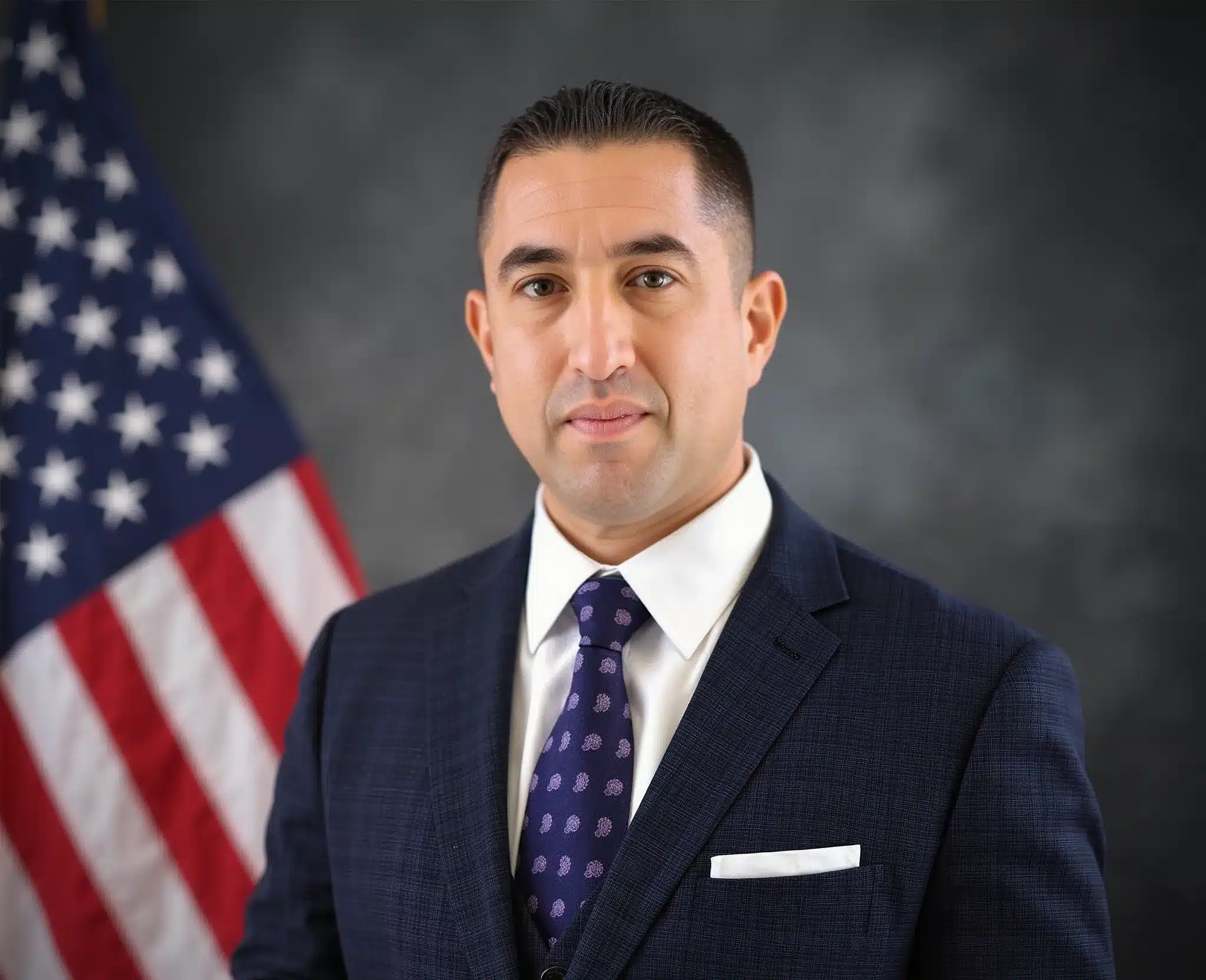
If you or a loved one in Albany is accused of criminal threats or witness intimidation, you do not have to navigate the process alone. The Law Office of Nabiel C. Ahmed, based in Oakland, represents people across Alameda County and Contra Costa County in violent and serious crime cases. Our team listens carefully to your story, reviews the evidence with you, and develops a strategy aimed at reducing the impact on your life. From arraignment to final resolution, we focus on clear communication, realistic advice, and steady support so you can move forward with as much control as possible.
Choosing a law firm for criminal threats or witness intimidation charges in Albany is an important decision. At the Law Office of Nabiel C. Ahmed, criminal defense is not a side practice—it is the core of what we do. We have spent years in Alameda County courts handling cases involving violent and serious crimes, learning how local judges, prosecutors, and probation departments approach these allegations. This experience allows us to anticipate likely strategies and tailor your defense accordingly. We prioritize responsiveness, carefully explaining your options and working closely with you to pursue the outcome that best protects your future.
Our firm understands that every Albany case is unique, shaped by relationships, history, and personal challenges that do not show up in police reports. We take time to gather background information, talk with witnesses when appropriate, and assemble records that present you as a complete person, not just a case number. Whether the allegations involve an argument that escalated, a misunderstanding over text, or claims of pressuring a witness, we look for creative paths toward dismissal, reduction, or manageable resolutions. Throughout the process, we stay focused on minimizing disruption to your work, family, and long‑term plans.
When you contact the Law Office of Nabiel C. Ahmed about criminal threats or witness intimidation charges in Albany, we follow a structured process aimed at protecting your rights from the start. We begin by listening to your story, reviewing any paperwork you received, and clarifying upcoming court dates. From there, we obtain the police reports and evidence, identify immediate concerns such as protective orders, and discuss realistic goals with you. Throughout your case, we keep you informed about developments, explain the consequences of each option, and work to position you for the strongest possible resolution in Alameda County court.
The first step in our process is an in‑depth consultation focused on understanding what happened from your perspective. For Albany cases involving criminal threats or witness intimidation, we ask about your relationship with the complaining witness, prior history, and any texts, recordings, or social media posts that may be involved. We also review the charges, potential penalties, and upcoming court dates so you know what to expect. This assessment allows us to identify urgent issues, such as protective order restrictions or immigration concerns, and to map out an immediate plan for gathering evidence and minimizing early missteps.
During the initial stage, we carefully review the complaint, police reports, and any pre‑file documents available for your Albany case. Our goal is to understand exactly what prosecutors are alleging and how they are framing the incident. We talk with you about bail, release conditions, and protective orders so that you can stay in compliance and avoid new charges. At this stage, we also begin preserving evidence, such as phone records or online communications, that might otherwise be lost. This early focus on details lays the groundwork for a stronger defense later in the process.
Next, we work with you to gather a thorough account of what led up to the alleged criminal threats or witness intimidation. For Albany cases, that often includes background on the relationship, prior disputes, and any outside stressors such as employment or health issues. We ask you to provide any texts, emails, or posts that capture the broader conversation, not just what appears in the police report. We may also identify potential witnesses who can describe your character or provide alternative perspectives. This information helps us humanize you in the eyes of the court and challenge oversimplified narratives.
Once we understand the basics of your Albany case, we move into a deeper investigation and pretrial strategy phase. This can involve requesting additional discovery from the prosecutor, analyzing digital evidence, and looking for inconsistencies in witness statements. We may file motions to suppress unlawfully obtained evidence or to limit what can be presented at trial. At the same time, we begin discussions with the district attorney about potential resolutions. By presenting weaknesses in the case and positive information about you, we work to improve offers, reduce charges, or position the matter for a strong defense at trial if necessary.
In this phase, we scrutinize the evidence in your Albany criminal threats or witness intimidation case. That includes listening to recorded calls, reading every page of text conversations, and comparing witness accounts for contradictions. When appropriate, we may consult with professionals to interpret communication patterns or digital data. We also explore whether law enforcement followed proper procedures in obtaining statements or electronic records. This detailed review can reveal new angles for defense, from misinterpretation of language to questions about credibility, and often leads to motions or negotiation points that strengthen your position.
As we build your defense, we represent you at pretrial hearings in Alameda County court and engage in ongoing negotiations with the prosecutor. For Albany cases, this may involve arguing for reduced bail, seeking more favorable release conditions, or requesting modifications to protective orders. We present mitigating information, such as counseling, work history, or community ties, to support better outcomes. At each stage, we explain your options, including the pros and cons of any plea offers and the risks and benefits of going to trial. Our aim is to pursue the path that aligns with your goals while guarding against long‑term harm.
If your Albany criminal threats or witness intimidation case does not resolve early, we move into focused trial preparation. This phase includes refining our theory of the case, preparing witnesses to testify, and organizing exhibits such as messages, call logs, or photos. We also continue to evaluate any new offers from the district attorney and discuss them with you honestly. Whether the matter ends through a negotiated resolution or a verdict after trial, our preparation aims to present your story clearly and persuasively, highlighting reasonable doubt, context, and the real‑world impact the charges have on your life.
Trial preparation involves more than just reviewing evidence; it requires crafting a coherent narrative that explains what happened in a way the judge or jury can understand. For Albany criminal threats and witness intimidation cases, we identify key themes, such as miscommunication, emotional context, or inconsistent statements, and weave them into a clear presentation. We anticipate the prosecution’s arguments, prepare effective cross‑examination questions, and develop opening and closing statements that support your defense. Even if the case resolves before trial, this level of preparation often improves negotiation leverage and can lead to more favorable outcomes.
As your Albany case approaches trial or final resolution, we help you make informed decisions about offers, risks, and possible outcomes. If you choose to accept a resolution, we work to present strong information at sentencing, such as counseling, employment, and family responsibilities, to support leniency. If the case goes to verdict, we address post‑trial options and any steps needed to comply with the court’s orders. Throughout this final stage, we remain focused on how the outcome will affect your long‑term future, including employment, housing, and immigration, and discuss any opportunities for record relief down the line.
In California, a criminal threat usually involves a statement that threatens great bodily injury or death, made with the intent that it be taken seriously and in a way that actually causes the other person to experience sustained fear. The threat can be spoken, written, or sent electronically, and it does not have to be carried out. The key questions are whether the words were understood as a serious threat, whether the speaker intended that result, and whether the alleged victim’s fear was reasonable under the circumstances. In Albany, police and prosecutors often look at context to decide whether to file criminal threats charges. That includes the relationship between the people involved, prior incidents, tone of voice, and any history of violence. Sometimes, officers treat heated arguments or impulsive comments as criminal threats even when the speaker did not genuinely mean them. A defense lawyer can examine the full picture, including surrounding messages or conversations, to determine whether the legal definition is truly met and to challenge overreaching interpretations.
Witness intimidation charges can arise when someone tries to discourage a victim or witness from reporting a crime, cooperating with law enforcement, or testifying in court. In some situations, simply asking a person not to testify or to “let it go” may be interpreted as intimidation, especially if the person feels pressured or afraid. The law focuses on whether your words or actions were meant to interfere with the justice process, not just whether you used explicit threats. However, not every conversation about a case is illegal. Courts in Alameda County consider factors like the tone of the discussion, whether there was an implied threat, and who initiated contact. In Albany, defense strategies often highlight alternative explanations, such as attempts at reconciliation or emotional conversations without any intent to interfere with a case. Because these situations are highly fact‑specific, it is important to speak with a lawyer before contacting any witness or discussing the incident further.
There are several potential defenses to criminal threats charges, depending on the facts of your Albany case. Common approaches include arguing that the statement was ambiguous, that it was not meant to be taken seriously, or that it did not cause sustained fear. The defense may also challenge whether the alleged victim’s fear was reasonable given the circumstances, or whether the words were more akin to venting or hyperbole than an actual threat. Lack of intent is another important defense, especially when the statement was made impulsively or in a joking manner. Other defenses focus on constitutional issues or police conduct. For example, statements obtained in violation of your Miranda rights or through coercive questioning may be challenged and possibly excluded. In some cases, mistaken identity or fabrication can be raised, particularly where there is limited evidence beyond one person’s account. An attorney can review the details of your Albany case, identify which defenses apply, and develop a tailored strategy to raise reasonable doubt or seek dismissal.
Protective orders are common in criminal threats and witness intimidation cases in Albany. A judge may issue one at arraignment, limiting or banning contact with the alleged victim or witnesses. The order can prohibit calls, texts, social media messages, and physical proximity, and may require you to move out of a shared home or stay away from certain locations. Violating these terms can lead to new charges and make your situation much worse, even if the underlying case is still pending. It is important to understand every restriction and follow it closely. Protective orders are also sometimes modified as the case progresses, especially when both parties request changes or when circumstances shift. Your attorney can ask the court to adjust terms related to child exchanges, work locations, or communication about practical matters. If the order is too restrictive or causes undue hardship, there may be options to seek a more workable arrangement while still respecting the court’s concerns about safety and witness participation.
A conviction for criminal threats or witness intimidation can pose serious risks for non‑citizens, including possible deportation or denial of future immigration benefits. Many of these offenses are treated as crimes involving moral turpitude or, in some circumstances, aggravated felonies under immigration law, depending on the sentence and specific facts. In Albany, prosecutors and judges do not handle immigration consequences directly, but their decisions can have significant effects on your status. That is why it is vital to consider immigration when evaluating plea offers or trial risks. If you are not a U.S. citizen, you should tell your defense attorney right away so immigration concerns can be factored into your strategy. In some situations, it may be possible to negotiate alternative charges or outcomes that reduce immigration impact. Your lawyer can also coordinate with an immigration attorney when needed. By addressing these issues early, you improve your chances of avoiding unexpected consequences long after the criminal case has ended.
Hiring an Oakland‑based law firm for an Albany criminal threats or witness intimidation case makes sense because Alameda County courts share procedures, prosecutors, and local practices. The Law Office of Nabiel C. Ahmed appears regularly in these courthouses and understands how local judges approach violent and serious crimes. This familiarity helps in anticipating likely plea offers, sentencing tendencies, and the types of evidence that carry the most weight. It also allows for efficient communication with court staff, probation, and other key players. Additionally, our firm’s focus on criminal defense means we devote substantial time to staying current on changes in California law affecting threats and witness‑related offenses. We are accustomed to handling cases involving digital evidence, protective orders, and complex relationship dynamics that frequently arise in Albany matters. By working with a firm that knows the local landscape, you receive guidance grounded in real‑world experience with the very system where your case will be decided.
Social media posts, text messages, and other digital communications often play a central role in criminal threats and witness intimidation cases in Albany. Prosecutors may use screenshots or message histories to argue that you intended to cause fear or pressure a witness. However, these records can sometimes help the defense by showing missing context, sarcasm, or conversations that contradict the allegations. Digital evidence must also be authenticated, meaning the prosecution must show that you actually sent the messages attributed to you. A defense lawyer will typically review the entire conversation rather than relying on isolated lines. In some cases, this broader view reveals that a phrase taken as threatening was part of a longer dialogue that changes its meaning. It may also show that messages were edited, selectively presented, or taken out of chronological order. By carefully analyzing digital evidence, your attorney can challenge misleading interpretations and highlight points that support your side of the story in Alameda County court.
There are several potential defenses to criminal threats charges, depending on the facts of your Albany case. Common approaches include arguing that the statement was ambiguous, that it was not meant to be taken seriously, or that it did not cause sustained fear. The defense may also challenge whether the alleged victim’s fear was reasonable given the circumstances, or whether the words were more akin to venting or hyperbole than an actual threat. Lack of intent is another important defense, especially when the statement was made impulsively or in a joking manner. Other defenses focus on constitutional issues or police conduct. For example, statements obtained in violation of your Miranda rights or through coercive questioning may be challenged and possibly excluded. In some cases, mistaken identity or fabrication can be raised, particularly where there is limited evidence beyond one person’s account. An attorney can review the details of your Albany case, identify which defenses apply, and develop a tailored strategy to raise reasonable doubt or seek dismissal.
Protective orders are common in criminal threats and witness intimidation cases in Albany. A judge may issue one at arraignment, limiting or banning contact with the alleged victim or witnesses. The order can prohibit calls, texts, social media messages, and physical proximity, and may require you to move out of a shared home or stay away from certain locations. Violating these terms can lead to new charges and make your situation much worse, even if the underlying case is still pending. It is important to understand every restriction and follow it closely. Protective orders are also sometimes modified as the case progresses, especially when both parties request changes or when circumstances shift. Your attorney can ask the court to adjust terms related to child exchanges, work locations, or communication about practical matters. If the order is too restrictive or causes undue hardship, there may be options to seek a more workable arrangement while still respecting the court’s concerns about safety and witness participation.
Hiring an Oakland‑based law firm for an Albany criminal threats or witness intimidation case makes sense because Alameda County courts share procedures, prosecutors, and local practices. The Law Office of Nabiel C. Ahmed appears regularly in these courthouses and understands how local judges approach violent and serious crimes. This familiarity helps in anticipating likely plea offers, sentencing tendencies, and the types of evidence that carry the most weight. It also allows for efficient communication with court staff, probation, and other key players. Additionally, our firm’s focus on criminal defense means we devote substantial time to staying current on changes in California law affecting threats and witness‑related offenses. We are accustomed to handling cases involving digital evidence, protective orders, and complex relationship dynamics that frequently arise in Albany matters. By working with a firm that knows the local landscape, you receive guidance grounded in real‑world experience with the very system where your case will be decided.
"*" indicates required fields