
Facing a vandalism charge in Albany can be overwhelming, especially when you are unsure what to expect from the criminal justice system. A momentary mistake, a misunderstanding, or being in the wrong place at the wrong time can lead to serious consequences under California law. The Law Office of Nabiel C. Ahmed helps people throughout Alameda County navigate these accusations, protect their rights, and pursue the most favorable outcome possible. This page explains how vandalism cases work, what penalties you could face, and how a thoughtful legal strategy can make a meaningful difference.
Albany prosecutors and judges take property-related offenses seriously, whether the alleged damage involves graffiti, broken windows, or more extensive harm. A vandalism conviction can affect employment, education, immigration status, and your reputation in the community. You do not have to handle these concerns alone or guess your way through court hearings and negotiations. With informed guidance tailored to your circumstances, it is possible to challenge the allegations, reduce the impact of the charges, or pursue alternative resolutions. The information that follows is designed to give you clarity and confidence as you move forward.
Vandalism charges in Albany might appear minor at first glance, but they can carry steep fines, potential jail time, and long-term damage to your record. Early involvement from a dedicated criminal defense attorney helps ensure evidence is preserved, your side of the story is clearly presented, and every possible defense is explored. You may have defenses based on mistaken identity, lack of intent, or inflated property damage estimates. With careful preparation, you can pursue outcomes such as case dismissal, diversion programs, reduced charges, or minimized penalties, helping you protect your future opportunities and peace of mind.
The Law Office of Nabiel C. Ahmed is a criminal defense law firm based in Oakland and focused on defending people across Alameda County, including Albany. Over many years handling vandalism and other theft-related cases, the firm has appeared in local courts, worked with area prosecutors, and developed strategies that reflect how vandalism charges are actually handled in this region. From the first phone call to the conclusion of your case, the firm places a strong emphasis on communication, preparation, and personal attention so that you always understand your options and can make informed decisions about your defense.
Under California law, vandalism is more than just spray paint on a wall. It covers a wide range of conduct, including scratching a car, breaking windows, damaging public property, or defacing a business with markings or symbols. In Albany, prosecutors may file vandalism as either a misdemeanor or a felony, depending on the amount of damage and your prior record. Even a single incident can become more serious if the alleged damage is valued above certain thresholds. Knowing how these laws work helps you appreciate the risks you face and the options that may be available.
Vandalism accusations often arise from neighborhood disputes, school incidents, protests, or late-night activities that get out of hand. Police reports might contain inaccurate assumptions about who did what, or property owners might overstate the cost of repairs. In Albany, as in the rest of California, the prosecution must prove that you maliciously damaged, destroyed, or defaced property you did not own. This requirement opens the door to defenses focused on mistaken identity, consent, lack of intent, or inflated valuation of damage. A careful review of the facts is the foundation of any effective defense strategy.
California’s vandalism statute generally makes it a crime to maliciously damage, destroy, or deface with graffiti or other inscribed material any real or personal property that is not your own. In Albany, this same state law applies to homes, vehicles, businesses, public buildings, and even street signs. The term “maliciously” means the act was done intentionally, not by accident. The seriousness of the charge often depends on the dollar value of the damage and whether there are prior convictions. Understanding this definition is important because it highlights key issues your defense lawyer can challenge, such as intent and ownership.
To secure a vandalism conviction in Albany, the prosecution must prove several elements: that property was damaged or defaced, that you did not own the property, and that you acted maliciously. The case typically begins with an arrest or citation, followed by an arraignment where charges are formally announced and a plea is entered. Subsequent hearings may involve negotiations, motions, and investigation before any trial. Throughout this process, you have the right to remain silent, to legal counsel, and to challenge the evidence presented against you. Strategic use of these rights can significantly influence the outcome.
Understanding the vocabulary used in vandalism cases can make court hearings less confusing and help you follow what is happening in your Albany case. Judges, prosecutors, and defense attorneys rely on specific legal terms when discussing charges, possible penalties, and procedural steps. Knowing what these words mean gives you more confidence when making choices about pleas, programs, and trial strategies. Below are several important concepts related to vandalism, property damage, and California criminal procedure that often arise when a person is accused of damaging or defacing property in Albany or elsewhere in Alameda County.
In the context of California vandalism law, “malicious” refers to acting with intent to do a wrongful act or with a wrongful motive. It does not necessarily require hatred or anger, but it does require more than an accidental bump or unintentional act. For Albany vandalism cases, whether the conduct was truly malicious can be a central question. If your actions were careless, negligent, or misunderstood, a strong argument may be made that you did not act maliciously, which can weaken the prosecution’s case and support negotiations for reduced charges or dismissal.
“Graffiti or other inscribed material” is a phrase used in California’s vandalism laws that includes any unauthorized marking, scratching, etching, painting, or drawing on property. In Albany, this can range from spray‑painted tags on public walls to etchings on windows or carvings on park benches. The type of material used, whether it can be removed, and the effort required to restore the property may all influence how damage is valued. These factors can affect whether a case is charged as a misdemeanor or felony and may shape potential resolutions and penalties in court.
Restitution is money paid by a defendant to compensate a property owner for damage or loss caused by an alleged crime. In Albany vandalism cases, restitution can include repair costs, replacement expenses, cleanup fees, and sometimes related losses. Courts often require restitution as a condition of probation or diversion, and disputes can arise over the true amount owed. Carefully reviewing repair estimates, invoices, and photographs may reveal inflated or unsupported claims. Addressing restitution realistically can be an important part of negotiations and may help secure a more favorable overall resolution.
Deferred entry of judgment and diversion programs are options that may allow certain defendants to complete conditions such as counseling, community service, or restitution in exchange for a dismissal or reduction of charges. Availability depends on the specific allegations, criminal history, and local practices in Alameda County. For some Albany vandalism cases, diversion can be a valuable way to accept responsibility for a situation without suffering the lasting impact of a conviction. An attorney can evaluate whether you might qualify, what terms to expect, and how participation could help protect your criminal record and future.
When facing vandalism allegations in Albany, you may have more choices than simply pleading guilty or going to trial. Options can include challenging the evidence, negotiating for reduced charges, pursuing informal resolutions with the property owner, or seeking diversion where appropriate. Each path carries different risks and benefits, including how long the case may take, whether you will have a criminal record, and how strict the conditions might be. A careful review of your goals, the strength of the prosecution’s case, and your personal background helps determine which strategy offers the best chance at a favorable outcome.
In some Albany vandalism cases, a limited approach focused primarily on negotiation and mitigation may be sufficient. This is often true where the alleged damage is minor, you have no prior record, and the property owner is open to restitution or resolution outside of aggressive prosecution. Under these circumstances, your attorney might prioritize presenting your positive background, pointing out weaknesses in the evidence, and working with the prosecutor to reach a plea or diversion agreement. Such a strategy can minimize court appearances and reduce long-term consequences while still protecting your legal rights.
A limited legal approach may also work where the evidence of involvement is strong but the prosecution is amenable to reasonable terms. For example, in an Albany vandalism case with clear video footage and straightforward police reports, the defense may focus on damage control rather than an all‑out trial battle. The goal may be to secure reduced charges, avoid jail, and structure restitution or community service in a manageable way. Even in this setting, careful advocacy can mean the difference between harsh penalties and a more balanced resolution that allows you to move forward.
A more comprehensive defense strategy is often needed in Albany vandalism cases where the facts are disputed or the alleged damage is substantial. If identification is based on shaky eyewitness accounts, poor‑quality video, or assumptions about associations, intense investigation may help uncover evidence supporting your innocence. Similarly, when property owners claim high repair costs, independent assessments may show the true value is much lower. In these scenarios, your attorney may file motions, gather witness statements, and work with investigators to build a thorough defense aimed at dismissal, acquittal, or significantly reduced charges.
If your Albany vandalism case involves allegations of gang‑related activity, repeated prior offenses, or very high damage amounts, the stakes rise quickly. You may face felony charges, extended probation, or even jail, along with consequences for employment, housing, and immigration status. In such circumstances, a comprehensive approach that explores every procedural and factual defense becomes essential. This can include challenging search and seizure issues, questioning how damage was calculated, and preparing thoroughly for the possibility of trial. The goal is to protect not only your immediate freedom but also your long‑term prospects.
Taking a comprehensive approach to your Albany vandalism case means looking beyond the surface of the police report and considering every aspect of your situation. This level of attention can reveal legal defenses, procedural mistakes, or factual inconsistencies that might otherwise go unnoticed. It allows your attorney to negotiate from a position of strength rather than simply reacting to the prosecution’s version of events. Thorough preparation also helps anticipate potential challenges before they arise, which can improve your chances of achieving outcomes such as dismissal, charge reductions, diversion, or more manageable probation terms.
Another benefit of a comprehensive defense strategy is that it takes your life outside the courtroom into account. In Albany vandalism cases, courts often want to understand who you are, not just what is alleged. Presenting evidence of employment, schooling, family responsibilities, counseling, or community involvement can influence how prosecutors and judges view your case. A defense that includes mitigation materials, character letters, and a thoughtful plan for making amends can help demonstrate that a harsh outcome is unnecessary. This approach seeks not only to address the charges, but to help position you for a better future.
When the defense is thoroughly prepared, with a clear theory of the case and supporting documentation, negotiations in Albany vandalism matters tend to be more productive. Prosecutors are more likely to consider reductions, alternative programs, or creative resolutions when they see that weaknesses in their case might be exposed in court. A comprehensive approach can include detailed analysis of police procedures, evaluation of surveillance footage, and review of property damage estimates. By presenting these findings in a professional, organized way, your attorney can advocate for a resolution that recognizes both legal issues and your personal circumstances.
A vandalism conviction in Albany can affect background checks for jobs, housing, college, and professional licenses. A comprehensive defense focuses on more than avoiding immediate penalties; it also aims to preserve your future opportunities. This may involve pushing for dismissal, diversion, or reduced charges that carry fewer long‑term consequences. It may also include planning ahead for possible record‑clearing options down the road. By addressing both the short‑term and long‑term impact of vandalism allegations, your defense strategy can help you move beyond this experience with as few lasting hurdles as possible.

After an arrest or accusation for vandalism in Albany, it can be tempting to explain yourself to police, the property owner, friends, or social media. Doing so can unintentionally harm your case, even when you feel you have nothing to hide. Statements may be taken out of context or later used against you in court. A safer approach is to remain polite but decline to answer questions until you have spoken with a defense attorney. This preserves your rights, prevents misunderstandings, and allows your legal representative to control how and when your side of the story is presented.
Missed court dates or disorganized paperwork can complicate any vandalism case in Albany. Keeping a calendar with all hearing dates, saving copies of citations and release documents, and promptly updating your attorney about address or phone changes helps the process run more smoothly. Courts often view responsible behavior favorably, which can support negotiation efforts and any request for leniency. By staying engaged, asking questions, and carefully following your lawyer’s guidance, you show that you are taking the situation seriously and are committed to resolving the charges in a constructive, forward‑looking way.
Even if you believe the vandalism allegations in Albany are minor or based on a misunderstanding, having a criminal defense lawyer can be very important. Prosecutors are focused on protecting property owners and the community, and they may push for penalties that feel disproportionate to what happened. An attorney’s role is to protect your rights, explain the process, and advocate for the most favorable resolution available. From challenging the evidence to negotiating for alternatives to conviction, legal representation can significantly influence the direction your case takes and the impact it has on your life.
Legal guidance is especially valuable if you have prior convictions, immigration concerns, or professional ambitions that could be affected by a criminal record. Vandalism in Albany may be tied to other charges such as trespass, burglary, or theft, increasing the complexity of your case. A thoughtful defense strategy looks at the entire picture, including how different charges interact and what long‑term consequences might follow. By seeking help early, you give your attorney time to gather evidence, explore diversion, and present your background in the best light before important decisions are made.
Vandalism charges can arise from many different situations in Albany, from youthful pranks to serious disputes. Understanding how these cases typically begin can help you see where misunderstandings or overreactions may have occurred. Sometimes, actions meant as jokes or expressions of frustration are interpreted as intentional property damage. Other times, a person may be accused simply because they were nearby when damage happened. Regardless of how your case began, having a lawyer review the facts, police reports, and witness statements can reveal defenses or alternative explanations that support your side of the story.
In Albany, graffiti on walls, fences, or public structures often leads to vandalism investigations. Police may respond to complaints from neighbors or business owners and quickly focus on individuals seen in the area, especially if tagging has occurred before. However, not all markings are done by the same person, and being found near graffiti does not automatically mean you were responsible. A defense attorney can scrutinize surveillance footage, lighting conditions, and the timing of events to challenge assumptions about who created the graffiti and whether the prosecution can actually meet its burden in court.
Vandalism charges may also arise from heated disputes between neighbors, domestic conflicts, or protests where property is damaged. In Albany, such incidents can involve broken phones, damaged vehicles, or harm to shared spaces. These emotionally charged situations often produce conflicting stories and incomplete police reports. Your attorney can help separate the facts from assumptions, identify whether damage was accidental or intentional, and explore whether both sides contributed to the conflict. In some cases, it may be possible to resolve the matter through restitution and negotiation rather than a lasting criminal conviction.
Late‑night gatherings at schools, parks, or private property sometimes result in accusations that participants damaged buildings or equipment. When police arrive, multiple people may be detained or questioned, and vandalism charges can follow even when it is unclear who actually caused the damage. In Albany, these cases often depend on circumstantial evidence or group assumptions rather than clear proof. A careful defense strategy may highlight gaps in identification, challenge how officers conducted the investigation, and present alternative explanations, all of which can be powerful in reducing or defeating the charges.
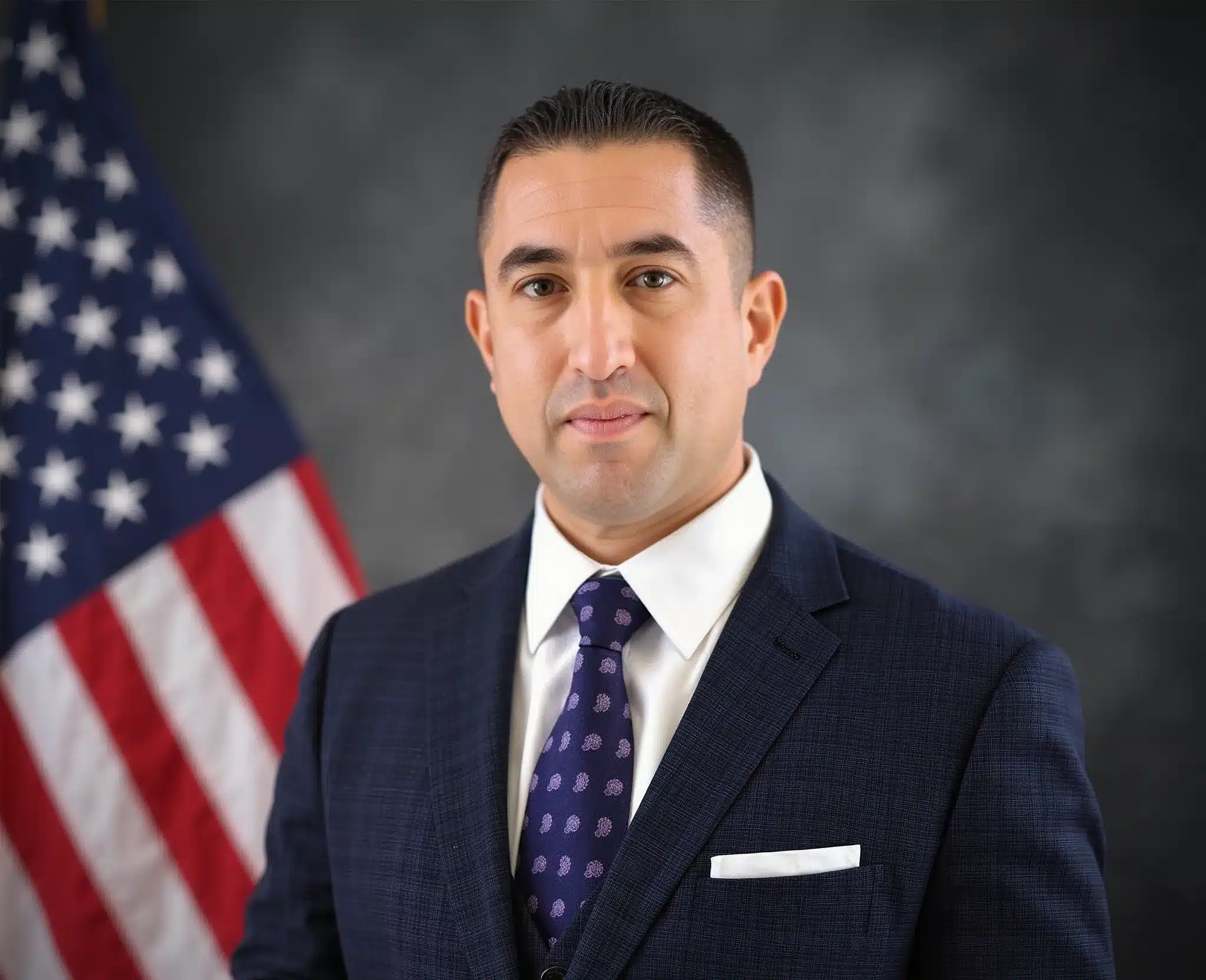
If you or a loved one is dealing with vandalism allegations in Albany, the Law Office of Nabiel C. Ahmed is ready to guide you through the process with diligence and care. From the initial consultation to the final resolution, the firm focuses on understanding your story, explaining your options in plain language, and pursuing outcomes that protect your future. Serving Alameda County from our Oakland office, we strive to make each client feel heard and supported. Call 510-271-0010 to discuss your situation and learn how we can help you move forward.
Choosing the right attorney for a vandalism charge in Albany can have a significant impact on your experience and your results. The Law Office of Nabiel C. Ahmed focuses on criminal defense and understands how vandalism cases are approached by local judges and prosecutors. We take time to review every detail, from police body‑camera footage to repair estimates, in order to identify defenses and leverage points. Our goal is not just to move your case along, but to search for real opportunities to reduce or avoid the penalties you are facing.
Clients of our Oakland‑based firm receive direct communication, timely updates, and clear explanations at every stage. We know that being charged with vandalism can be stressful, particularly when you worry about work, family, or school. By listening carefully and tailoring strategies to your needs, we work to ease that stress while protecting your rights. Whether your case may be resolved through negotiation, diversion, or trial, you can count on our firm to stand by you and fight for a resolution that allows you to look ahead with confidence.
At the Law Office of Nabiel C. Ahmed, we approach each Albany vandalism case with a structured process designed to uncover the truth and pursue the best possible result. We begin by listening carefully to your account of what happened and reviewing all available paperwork. From there, we gather additional evidence, identify legal issues, and discuss potential strategies with you. Throughout the case, we handle court appearances, communicate with prosecutors, and keep you informed so that you can make confident decisions. Our process is thorough, transparent, and focused on protecting what matters most to you.
The first step in handling a vandalism charge in Albany is a detailed consultation and case evaluation. During this stage, we review the citation or complaint, listen to your side of the story, and identify immediate concerns such as upcoming court dates or bail conditions. We also discuss your background, goals, and any pressing issues like employment or immigration. By gathering this information early, we can begin to spot possible defenses, evaluate the strength of the evidence, and outline initial strategies. This foundation helps guide the rest of the process and sets expectations from the start.
Early in the case, we focus on collecting all relevant documents, including police reports, charging documents, and any photographs or videos related to the alleged vandalism in Albany. We carefully explain the charges you are facing, the potential penalties, and how California’s vandalism laws apply to your situation. This is your chance to ask questions and clarify anything that feels confusing or intimidating. By the end of this stage, you should have a clearer picture of what the prosecution must prove and how your defense may challenge those points in court.
Once we understand the allegations, we identify immediate priorities, such as protecting your right to remain silent, preserving evidence, and addressing any active warrants or conditions of release. For Albany vandalism cases, this might include advising you on interactions with alleged victims, managing social media, and arranging for independent photographs of the scene. We also evaluate whether early outreach to the prosecutor or property owner could benefit your case. The objective is to stabilize the situation quickly and position you for more in‑depth investigation and negotiation in the next stages.
The second stage of our process focuses on deep investigation, legal motions, and negotiation. In Albany vandalism cases, this can involve interviewing witnesses, obtaining surveillance footage, analyzing damage estimates, and reviewing any prior history that might affect charging decisions. We determine whether officers followed proper procedures and whether any evidence can be challenged or excluded. At the same time, we open a dialogue with the prosecutor, sharing information that supports your defense or mitigation. This dual track of investigation and negotiation is central to seeking reductions, dismissals, or diversion opportunities whenever possible.
During this phase, we dig into the details of your Albany vandalism case. That may mean visiting the scene, taking photographs, consulting independent contractors about repair costs, or obtaining school and work records that provide context. We also look closely at how the police handled the investigation, whether there were any improper searches, and whether identification procedures were fair. If legal issues arise, we may file motions to suppress evidence or challenge certain aspects of the case. The goal is to weaken the prosecution’s position and strengthen your bargaining power or trial readiness.
Armed with the results of our investigation, we pursue outcomes that align with your goals. For many Albany vandalism defendants, this may involve seeking dismissal, negotiating for reduced charges, or exploring diversion programs that can lead to a clean record once conditions are satisfied. We present mitigating evidence, highlight legal weaknesses, and explain why a more measured resolution serves justice. Throughout these discussions, we keep you informed and involved, explaining offers, risks, and alternatives so you can decide whether negotiation results are acceptable or whether proceeding to trial is the better choice.
If your Albany vandalism case does not resolve through early negotiation or diversion, we move into intensive trial preparation while continuing to explore resolution options. This stage includes refining legal arguments, organizing exhibits, and preparing witness testimony. Even when a trial appears likely, judges and prosecutors may remain open to discussion, especially when they see a well‑prepared defense. Whether your case ultimately ends in dismissal, plea agreement, or verdict, thorough preparation helps protect your rights and ensures your side of the story is fully and clearly presented in court.
Trial preparation in a vandalism case involves more than drafting legal arguments. We work closely with you to explain courtroom procedures, discuss possible questions, and address any concerns you have about testifying or appearing before a judge and jury. For Albany cases, we may also prepare supporting witnesses, gather character letters, and organize exhibits such as photographs or timelines. The objective is to walk into court with a clear plan and the confidence that every reasonable step has been taken to present your defense and protect your future.
As trial approaches or a plea is reached, we focus on final negotiations and, if necessary, sentencing advocacy. In Albany vandalism cases, this may involve presenting mitigation materials, restitution plans, or treatment recommendations to show the court that leniency is appropriate. We aim to minimize penalties such as jail time, fines, and probation conditions. After the case concludes, we can discuss options for record clearing in the future and steps you can take to avoid further legal trouble. Our commitment is to support you not just through the case, but as you move beyond it.
In California, including Albany, vandalism can be charged as either a misdemeanor or a felony depending on the circumstances. The key factor is often the value of the damage. If the damage is alleged to be below a certain amount, the case is more likely to be filed as a misdemeanor, while higher damage can lead to felony charges. Prior convictions, alleged gang involvement, or accompanying charges may also influence how prosecutors choose to file your case. Because the classification of the charge significantly affects potential penalties, it is important to carefully examine how the damage is calculated. Sometimes property owners or insurance companies provide inflated or inaccurate repair estimates, which can push a case into more serious territory. A defense attorney can question those amounts, seek independent evaluations, and argue for a misdemeanor filing or reduction, which may open the door to less severe consequences and more favorable resolution options.
Penalties for vandalism in Albany can include jail time, fines, restitution to the property owner, community service, probation, and various court‑ordered programs. Misdemeanor cases generally carry shorter jail terms and lower fines, while felony cases can involve more significant periods of custody and longer probation. Judges also have discretion to impose additional conditions, such as stay‑away orders, counseling, or educational programs, depending on the facts and your prior record. Beyond the courtroom, a vandalism conviction can affect many aspects of your life. It may appear on background checks for jobs, housing, and professional licensing. For non‑citizens, certain convictions may have immigration consequences. That is why sentencing advocacy and negotiation are so important. A defense attorney can present your personal history, restitution efforts, and positive steps you have taken to persuade the court that alternative, less damaging penalties are more appropriate than the maximum punishment allowed.
Yes, in many Albany vandalism cases, there are opportunities to seek dismissal or reduction of charges. Outcomes depend on factors such as the strength of the evidence, the level of damage, your criminal history, and the willingness of the property owner and prosecutor to consider alternatives. If there are weaknesses in the identification, questions about intent, or problems with how evidence was collected, your attorney may file motions and negotiate from a stronger position. Even when the prosecution’s case appears solid, charge reductions can sometimes be achieved through restitution, community service, and demonstration of rehabilitation. Diversion programs or plea agreements to lesser offenses may also be on the table in appropriate cases. The sooner you involve a defense lawyer, the more time there is to investigate, gather favorable information, and open productive discussions with the prosecutor aimed at reducing or eliminating long‑term harm.
It is natural to want to apologize or explain yourself to the property owner or police, especially if you feel misunderstood. However, talking about the details of your Albany vandalism case without legal guidance can be risky. Any statements you make may be used as evidence in court, even if you were trying to make things right or were speaking casually. Miscommunications can easily occur, and you may accidentally admit to conduct that the prosecution later relies on. Before speaking to anyone about what happened, it is wise to consult with a criminal defense attorney. A lawyer can help you decide whether and how to communicate with the property owner, negotiate restitution, or participate in discussions with law enforcement. When conversations are handled through your attorney, you are better protected from misinterpretation and can pursue resolution options in a more controlled, strategic manner.
A vandalism conviction in Albany typically becomes part of your criminal record and can appear on background checks. Employers, landlords, schools, and licensing boards often review these records when making decisions. Having a property‑related offense on your record may raise questions about trustworthiness or reliability, which is why defending against the charge and seeking alternatives to conviction can be so important. In some situations, there may be ways to reduce the long‑term impact even if a conviction occurs. Depending on your circumstances, you might later qualify for record‑clearing procedures such as expungement, which can help minimize the effect on certain types of background checks. An attorney can explain what options might be available in your case and how your current decisions—including plea choices and completion of probation—can influence your ability to clean up your record down the road.
Albany vandalism defendants may be eligible for diversion or alternative resolution programs, depending on the specific allegations, prior record, and local policies in Alameda County. These programs often require participants to complete conditions such as restitution, community service, classes, or counseling. Successful completion can sometimes result in charges being dismissed or reduced, helping to avoid a lasting conviction on your record. Not everyone qualifies for diversion, and the terms can vary significantly between cases. A defense attorney familiar with local court practices can evaluate whether you might be a candidate and, if so, advocate for your admission into a program. They can also help negotiate the conditions to make them realistic and manageable. By pursuing diversion when available, you may be able to address the concerns raised by the incident while preserving your future opportunities.
The length of a vandalism case in Albany can vary widely based on complexity, court schedules, and whether the case resolves through negotiation or goes to trial. Some cases conclude in a few months if an early plea or diversion agreement is reached. Others may take a year or more, especially if there are contested hearings, multiple co‑defendants, or significant legal issues that require extensive litigation. While long cases can feel stressful, additional time sometimes benefits the defense by allowing more thorough investigation and stronger negotiation. Throughout the process, your attorney should keep you informed about upcoming dates, expected timelines, and the reasons behind any delays. Understanding the pace of the case can help you plan around work, family, and other responsibilities while staying grounded and focused as your defense moves forward.
Being falsely accused of vandalism in Albany is frightening, particularly when it feels like the odds are stacked against you. False accusations may arise from mistaken identity, misunderstandings, or personal conflicts with neighbors, classmates, or others. In these situations, your defense will likely focus on showing that the prosecution cannot prove its case beyond a reasonable doubt. This might involve alibi evidence, challenging eyewitness reliability, or pointing out inconsistencies between statements and physical evidence. It is important not to assume that simply being innocent guarantees that the charges will disappear on their own. Police and prosecutors may believe they have enough evidence to move forward, even when they are mistaken. Working with a defense attorney gives you a structured way to present your side, highlight weaknesses in the case, and press for dismissal or acquittal, so that the truth has a fair chance to emerge in court.
Even for a first‑time vandalism charge in Albany, having legal representation is highly advisable. Courts may view a lack of prior record favorably, but they still must apply California law and consider community concerns. Without guidance, you might accept a plea offer that seems reasonable at first, only to learn later that it carries unexpected consequences for employment, schooling, or immigration. An attorney can help you understand all of your options, including the possibility of diversion, reduction of charges, or dismissal. They can also present mitigation information, such as your work history, education, and community involvement, to strengthen your position. By having a lawyer manage negotiations and court appearances, you give yourself the best chance to resolve a first‑time vandalism allegation in a way that limits long‑term impact and helps you move forward constructively.
The Law Office of Nabiel C. Ahmed represents people facing vandalism and other property‑related charges in Albany and throughout Alameda County. From the outset, our firm works to understand your goals, explain the legal process, and develop a strategy tailored to your circumstances. We investigate the facts, review evidence closely, and look for legal and factual weaknesses in the prosecution’s case. At every stage, we communicate clearly so that you can make informed choices about pleas, programs, and trial options. Our Oakland‑based criminal defense law firm also focuses on mitigation and long‑term impact, not just the immediate charges. We advocate for outcomes that protect your record and future opportunities whenever possible, such as diversion, reduced charges, or more balanced sentencing terms. If you are facing a vandalism accusation in Albany, we invite you to call 510-271-0010 to discuss your case and learn how we can stand up for your rights and your future.
"*" indicates required fields