
A drunk in public charge in Albany can feel embarrassing, confusing, and overwhelming, especially if it is your first contact with the criminal courts. California treats public intoxication as a misdemeanor that can lead to a criminal record, fines, and time in custody, and it may affect employment or professional opportunities. At the Law Office of Nabiel C. Ahmed, we help people across Albany, Alameda County, and nearby communities understand what is at stake and how to respond quickly, calmly, and strategically after an arrest or citation.
Many people assume a drunk in public case is a minor inconvenience that will simply disappear, but even a single conviction can follow you for years on background checks. The facts behind your arrest, how officers handled the encounter, and what you do in the days that follow can all influence the outcome. Our firm focuses on defending individuals charged with alcohol and driving related offenses in Alameda and Contra Costa Counties, working to protect records, minimize penalties, and seek practical resolutions tailored to each person’s circumstances.
Securing thoughtful legal representation for a drunk in public case in Albany can dramatically shape how your future looks after the case is resolved. A conviction can bring probation, fines, and potential jail time, but it may also influence immigration status, professional licenses, and background checks for housing or employment. A focused defense lawyer evaluates the reasons for the police contact, the legality of the detention, and whether alcohol truly interfered with your ability to care for yourself or others. With guidance, you may pursue dismissal, diversion, charge reductions, or negotiated outcomes that protect your record.
The Law Office of Nabiel C. Ahmed is a criminal defense law firm based in Oakland, representing people facing drunk in public and other driving and drug-related charges throughout Alameda County, including Albany. Over many years in local courts, our firm has handled thousands of criminal matters ranging from misdemeanors to serious felonies. We understand how local judges, prosecutors, and probation departments approach public intoxication cases, and we use that insight to craft realistic strategies. Our office emphasizes clear communication, practical solutions, and tireless preparation aimed at protecting your reputation and long‑term opportunities.
In California, drunk in public charges are typically filed under Penal Code section 647(f), which deals with public intoxication. The law does more than simply punish drinking in public; it focuses on whether someone is under the influence of alcohol, drugs, or a combination in a way that makes them unable to care for their safety or the safety of others, or interferes with public spaces. This distinction matters because many people who are arrested were simply walking home, socializing, or waiting for a ride yet are still accused of being dangerously intoxicated.
Understanding how prosecutors attempt to prove a drunk in public case is vital when planning a defense. They often rely heavily on officer observations such as slurred speech, unsteady balance, odor of alcohol, or alleged disruptive behavior. However, these conclusions can be subjective and influenced by stress, fatigue, medical conditions, and even uneven sidewalks or lighting. A thorough defense looks closely at police reports, body camera footage, witness statements, and your personal history to challenge exaggerated or inaccurate claims and to highlight your efforts to stay safe and avoid problems.
Being drunk in public in Albany does not simply mean you had something to drink before stepping outside. Under California Penal Code 647(f), the prosecution must show that you were in a public place while under the influence of alcohol, drugs, or a combination, and that your condition made you unable to care for your safety or the safety of others, or that you obstructed the free use of streets, sidewalks, or other public areas. This legal definition leaves room for debate and allows a defense lawyer to argue that your behavior never rose to the level described in the statute.
Drunk in public cases typically begin when law enforcement responds to a disturbance call, contacts someone on the street, or encounters a person leaving a bar or event in Albany. After arrest, you may be booked into jail or released with a citation and court date. The prosecution must then prove each element of the offense beyond a reasonable doubt. From arraignment through negotiation and possible trial, your lawyer can challenge whether the location was truly public, whether your behavior actually posed a safety concern, and whether the officer’s observations were reliable. Many cases resolve through dismissal, diversion, or reduced charges when weaknesses are effectively exposed.
When facing a drunk in public charge, you will hear legal terms that may feel unfamiliar or intimidating. Understanding these phrases can reduce anxiety and help you participate in your defense. Words like public place, probable cause, diversion, and arraignment all describe important parts of how your case moves through the Alameda County criminal system. A clear explanation of these terms helps you know what to expect at each stage, how decisions will be made, and what options might be available to protect your record and move forward with confidence.
A public place is any location open and accessible to members of the public, such as streets, sidewalks, parks, or common areas outside bars and restaurants in Albany. The definition can be surprisingly broad and may sometimes include shared spaces in apartment complexes or parking lots. Whether an area qualifies as a public place can directly affect whether Penal Code section 647(f) applies. In some situations, your lawyer may be able to argue that you were on private property or otherwise outside the scope of the drunk in public statute, which can undermine the prosecution’s case.
Probable cause refers to the level of suspicion law enforcement must have before detaining or arresting someone for drunk in public in Albany. Officers must be able to point to specific facts that would lead a reasonable person to believe a crime was being committed, such as apparent impairment or disorderly behavior. Vague hunches, discomfort with how someone looks, or simple loud conversation are not enough. If police lacked probable cause, your attorney can ask the court to exclude evidence or dismiss the case, arguing that the arrest violated your constitutional rights under California and federal law.
Diversion is an alternative resolution that can allow someone charged with drunk in public in Albany to complete conditions such as classes, counseling, or community service in exchange for dismissal or reduced charges. Diversion programs can be especially valuable for those who have limited prior criminal history and want to avoid a conviction on their record. Not every case will be eligible, and the available options can vary between courts. A defense lawyer evaluates your background, the allegations, and local policies to determine whether diversion or informal agreements with the prosecutor might provide a second chance.
Arraignment is the first formal court appearance in a drunk in public case, usually held at the Alameda County courthouse serving Albany. At this hearing, the judge informs you of the charges, your rights, and potential penalties. You will enter a plea, often not guilty, while your lawyer begins requesting police reports, video, and other evidence. Arraignment also sets the stage for future court dates, including pretrial conferences or motion hearings. Having representation at this stage helps ensure your rights are protected from the beginning and that negotiations begin from an informed and prepared position.
After a drunk in public arrest in Albany, you may be unsure whether to simply plead guilty, request a public defender, or retain private counsel. Each path carries advantages and risks depending on your record, immigration status, employment goals, and personal priorities. Some individuals qualify for diversion or informal resolutions, while others may benefit from motions challenging probable cause or the legality of the detention. A careful comparison of plea offers, possible defenses, and long‑term consequences can help you decide how aggressively to fight the case and what outcome best protects your future.
In some Albany drunk in public cases, a limited approach focused on efficient resolution may be appropriate. This is often true for first-time offenses where there was no accident, no allegation of aggressive behavior, and no additional charges such as resisting arrest or vandalism. If the evidence appears straightforward and your main goal is to resolve the matter quickly while protecting work or school obligations, negotiation for diversion, a reduced charge, or a plea that minimizes penalties might be sensible. Even then, legal guidance can ensure that you do not accidentally accept terms that cause unnecessary long‑term harm.
A limited strategy can also work when the evidence clearly shows that you cooperated with officers, posed little risk, and attempted to arrange safe transportation in Albany. If reports and body camera footage depict you following directions and remaining polite, it may be possible to use that cooperation to negotiate a more favorable resolution without extensive litigation. In these situations, your lawyer may focus on presenting your clean record, employment status, and community ties to argue for diversion or informal agreements, allowing you to move forward without the stress and uncertainty of drawn‑out court battles.
Some drunk in public cases in Albany require a thorough, wide‑ranging defense. This is often true when the incident includes allegations such as fighting, property damage, resisting arrest, or additional offenses like driving under the influence or possession of drugs. In these situations, penalties can increase, and there may be serious immigration, licensing, or employment concerns. A comprehensive approach often involves detailed investigation, witness interviews, review of surveillance or body camera video, and filing motions challenging the legality of the stop or arrest, all aimed at reducing charges or achieving dismissal whenever the facts and law allow.
A broader defense strategy is also important when you already have a record or work in a field where a drunk in public conviction could cause serious damage. Teachers, health care workers, commercial drivers, and individuals holding professional licenses may face additional scrutiny from employers or licensing boards if a conviction appears in background checks. For these clients, a comprehensive approach in Albany focuses on protecting long‑term goals by seeking dismissals, reductions, or alternate resolutions that reduce the risk of discipline. Attention to detail, careful planning, and open communication help align legal strategy with your personal and professional priorities.
Taking a comprehensive approach to a drunk in public case in Albany gives you a better chance to uncover weaknesses in the prosecution’s file and to push for results that safeguard your future. By digging into police reports, video, medical records, and witness accounts, your lawyer can highlight inconsistencies, challenge subjective observations, and present your side of the story. This thorough preparation can encourage more favorable plea offers, open the door to diversion, or support motions that reduce or dismiss charges. A strong plan shows prosecutors and judges that your case deserves careful attention.
A comprehensive defense also helps you feel informed and involved throughout the process. Rather than reacting to every court date with uncertainty, you will understand the steps ahead, the evidence being reviewed, and the goals you are working toward. This clarity can reduce stress and make court appearances less intimidating. Additionally, a detailed strategy allows your attorney to address related issues such as immigration concerns, employment background checks, or professional licensing questions that may not appear in the official court file but are extremely important for your life outside the courtroom.
When your drunk in public defense in Albany involves careful investigation and targeted legal motions, you increase the chances of achieving a dismissal or significant reduction. Close analysis sometimes reveals that officers lacked probable cause, misjudged your level of impairment, or failed to follow required procedures. Your lawyer can use these findings in negotiations or formal motions to suppress evidence or challenge the sufficiency of the complaint. Even if the case is not dismissed outright, exposing weaknesses often leads to better plea offers, diversion opportunities, or reduced charges that have a smaller impact on your record and daily life.
A comprehensive defense does more than focus on the immediate court case; it is designed to safeguard your long‑term prospects. A drunk in public conviction in Albany can appear in background checks for years, complicating job searches, housing applications, and professional licensing. By pursuing options like diversion, dismissals, or reductions to less damaging charges, your lawyer works to preserve your reputation and future flexibility. The strategy may also include advice on record‑clearing remedies down the line, such as expungement, so you have a roadmap for fully moving past the incident and rebuilding with confidence.
If you are approached by Albany police about suspected public intoxication, staying calm and polite can significantly influence how the encounter unfolds. While you should provide basic identifying information when lawfully requested, you are not required to explain where you were drinking, how much you had, or answer detailed questions about your evening. Excessive talking often gives officers more material to use against you and may be misinterpreted in reports. Ask clearly if you are free to leave, and if you are not, request to speak with a lawyer before answering questions about the incident.
Courts and prosecutors in Alameda County often look favorably on people who take proactive steps to address any potential alcohol or stress issues after a drunk in public arrest. Even if you do not believe you have a serious problem, attending a brief education class, seeking counseling, or participating in support meetings can show responsibility and commitment to avoiding future incidents. These efforts may help your lawyer negotiate diversion, reduced penalties, or alternative resolutions. They can also provide personal benefits, giving you tools to manage social pressure, anxiety, or other factors that contributed to the situation.
A drunk in public charge can feel like an embarrassing misunderstanding, but the legal consequences are real, and handling the case alone can be risky. Prosecutors deal with these cases daily and may push for convictions without fully understanding your circumstances. An Albany drunk in public lawyer knows local court practices and can explain how this charge may affect your record, job, immigration status, and future opportunities. With professional guidance, you gain someone to carefully review the evidence, negotiate with prosecutors, and explore options that you might not realize are available on your own.
Hiring counsel can also provide much‑needed peace of mind during a stressful time. Court deadlines, paperwork, and unfamiliar procedures can feel overwhelming, particularly if you are balancing work, school, or family responsibilities. A lawyer can appear in court on your behalf in many situations, handle communication with the prosecutor, and keep you informed about what to expect at each step. This support allows you to focus on your daily life while knowing that someone is actively working to protect your rights and push for the most favorable outcome possible in your Albany drunk in public case.
Drunk in public charges in Albany often arise from everyday social situations that suddenly escalate into legal problems. People are frequently arrested leaving bars, restaurants, sporting events, or house parties when law enforcement believes they are too impaired to care for themselves. Sometimes neighbors call police about noise, or officers respond to reports of someone sleeping outdoors or arguing on the street. Even individuals trying to walk home safely or wait for a rideshare can be charged if an officer concludes they are intoxicated and disruptive. Understanding these patterns can help your lawyer challenge exaggerated or unfair characterizations of your behavior.
One of the most frequent settings for drunk in public charges involves people leaving bars or restaurants late at night in Albany or nearby neighborhoods. After a long evening, it is easy for someone to stumble on a curb, speak a little louder than usual, or appear unsteady when searching for a ride. Officers patrolling nightlife areas may interpret these ordinary behaviors as signs of dangerous intoxication. A defense strategy can focus on showing that you were simply heading home, posed no genuine risk, and were not obstructing public spaces in the way the law actually requires.
Another common context for drunk in public arrest in Albany occurs when neighbors or bystanders call police about noise or arguments. Officers arriving at the scene may be quick to assume that anyone who appears emotional, upset, or loud must be intoxicated to a dangerous degree. However, stress, conflict, and even cold weather can affect how a person speaks or moves, and these factors may be mistaken for intoxication. By examining witness accounts and audio or video evidence, your lawyer can highlight alternative explanations and demonstrate that the situation did not truly meet the legal standard for public intoxication.
Some drunk in public cases involve people found sleeping at bus stops, on benches, or near parking lots in Albany while waiting for a ride or taking a break. Although choosing not to drive after drinking is a responsible decision, officers may still arrest someone if they believe the person is too impaired to care for themselves. Medical issues, exhaustion, or mental health concerns can also play a role and may be misinterpreted as intoxication. A thoughtful defense looks closely at health history, weather, time of night, and available evidence to show that an arrest was unnecessary or unfair.
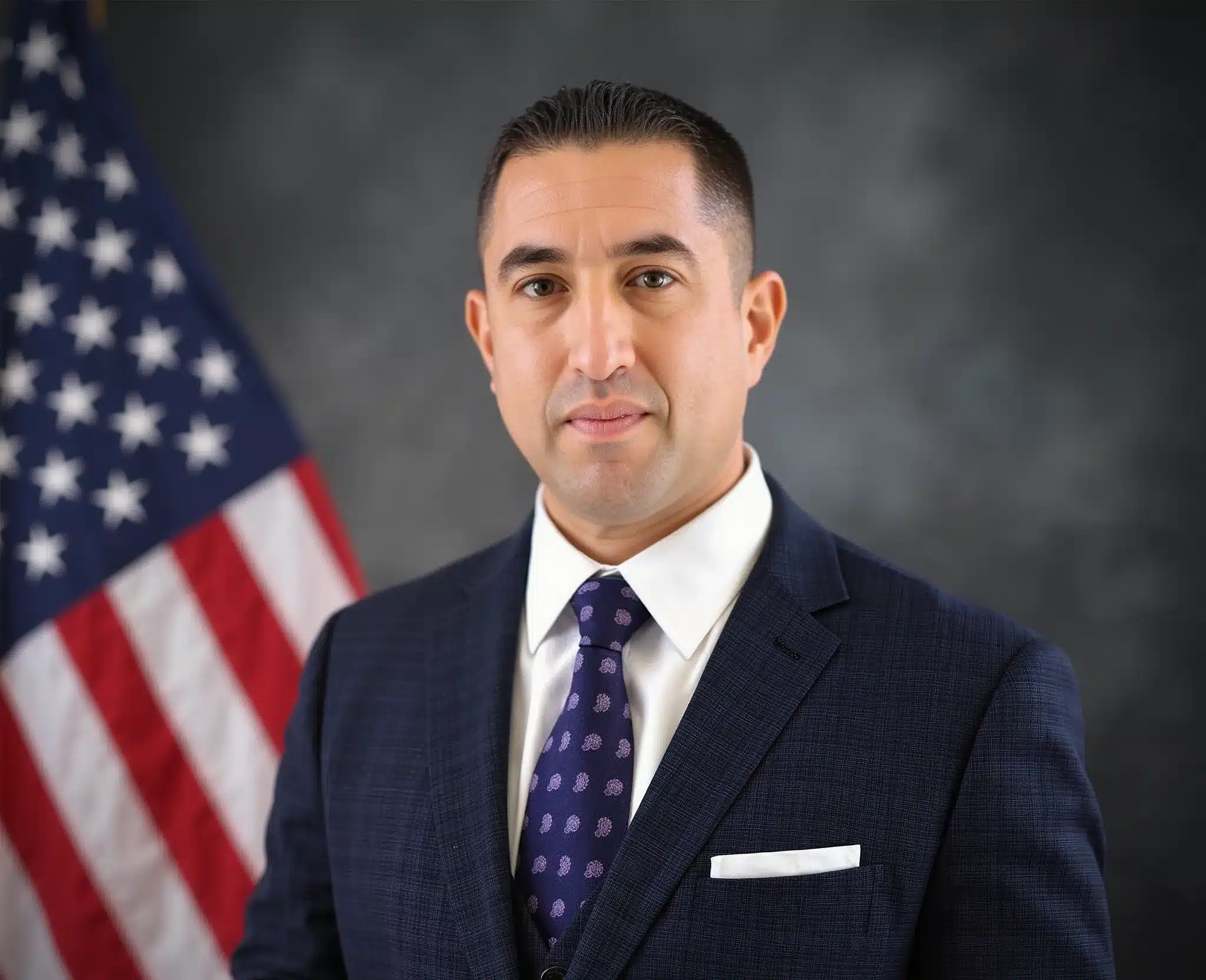
If you or someone you care about has been arrested or cited for drunk in public in Albany, you do not have to face the situation alone. The Law Office of Nabiel C. Ahmed helps people throughout Alameda County navigate the criminal justice system with clear guidance and determined advocacy. From answering your initial questions to appearing in court and negotiating with prosecutors, our firm stays by your side at every stage. We focus on minimizing the impact on your record, your job, and your family, working toward a resolution that allows you to move forward with confidence.
Choosing the right legal team for a drunk in public case in Albany can make a meaningful difference in how your matter is resolved. The Law Office of Nabiel C. Ahmed is a criminal defense law firm that concentrates on representing individuals facing charges throughout Alameda and Contra Costa Counties. We understand how local prosecutors evaluate public intoxication allegations and which arguments can be most persuasive with particular judges. Our approach combines thorough preparation with straightforward advice, so you always know the strengths and weaknesses of your case and can make informed decisions about plea offers or trial.
Clients who work with our Oakland-based firm appreciate our responsiveness, attention to detail, and commitment to treating every case with respect, no matter how minor it may seem on paper. We take time to listen to your side of the story, to learn about your work, education, and family responsibilities, and to design a defense that reflects your goals. Whether the priority is avoiding jail, protecting immigration status, or keeping a clean record for future employment, we tailor our strategy accordingly, keeping you updated as we push for the most favorable outcome available under the circumstances.
When you contact the Law Office of Nabiel C. Ahmed after a drunk in public arrest in Albany, our firm follows a step‑by‑step process designed to protect your rights and reduce stress. We begin with a detailed consultation to discuss what happened, review paperwork, and explain possible consequences. Next, we obtain and analyze police reports, video, and other evidence, looking for inconsistencies, legal issues, and opportunities for diversion or dismissal. Throughout negotiations and any court appearances, we keep you informed, answer questions, and pursue strategies that align with your priorities for work, family, and future plans.
The first step in handling a drunk in public charge is a thorough consultation, where we carefully review the citation, your recollection of events in Albany, and any available documents or messages. We discuss what you were doing before the arrest, how officers approached you, and any medical or personal factors that might have affected your behavior. During this stage, we outline potential penalties, explain the court process, and provide an honest assessment of your options. The goal is to give you clarity and a sense of control so you can decide how you want to approach your defense.
At the beginning of your case, we focus on listening. Many clients feel frustrated because their side of the story never appeared in the police report. We encourage you to walk us through the entire evening, from your plans in Albany to your interactions with bar staff, friends, and officers. We also talk about your personal background, including work, school, and family responsibilities, as well as any immigration or licensing issues. This information not only helps us understand what really happened but also guides future negotiations, showing prosecutors and judges that your life circumstances deserve thoughtful consideration.
Once we have a clear picture of your situation, we take time to explain exactly what a drunk in public charge means under California law and how cases typically proceed in Alameda County. We talk about potential penalties, including fines, jail, and probation, but we also address alternative outcomes such as diversion, reductions, or dismissals. You will learn what to expect at arraignment, pretrial conferences, and any hearings, as well as what information we need from you. By the end of this step, you should feel informed about the road ahead and the strategies we may pursue.
After the initial consultation, our firm moves into the investigation and evidence review phase. We request police reports, body camera footage, and any available 911 recordings related to your Albany arrest. We may also gather witness statements, photographs, or surveillance video from nearby businesses or residences. The goal is to compare your account with the official narrative and identify discrepancies or unsupported claims. At the same time, we research relevant legal issues, such as whether officers had lawful grounds to detain or arrest you. This groundwork allows us to build strong arguments for negotiation or formal motions.
Police reports often present a one‑sided view of what happened, focusing on behavior that supports a drunk in public charge while downplaying anything favorable to you. During this part of the process, we scrutinize those reports line by line, comparing them to body camera footage, witness statements, and physical evidence from Albany. We look for inconsistencies, exaggerations, or omissions, such as failing to mention that you were waiting for a rideshare or that you tried to comply with instructions. Identifying these issues can give us leverage to challenge credibility and push for reductions, diversion, or dismissal.
Beyond factual disputes, many drunk in public cases involve legal questions about whether officers had a valid reason to stop, detain, or arrest you. We examine whether your conduct truly fit the statutory definition of public intoxication and whether your rights were respected during the encounter. If we find problems, we may file motions to suppress evidence or challenge the sufficiency of the complaint, arguing that the prosecution cannot meet its burden. Even when motions do not fully resolve the case, they often lead to more favorable negotiations by highlighting risks and weaknesses in the government’s position.
Once the evidence has been carefully reviewed, we move into the negotiation and resolution phase of your Albany drunk in public case. Our firm presents mitigating information about your background, employment, and efforts to address any alcohol-related concerns, while emphasizing legal and factual weaknesses in the prosecution’s file. We seek outcomes such as diversion, dismissals, or reduced charges that better protect your record. If an acceptable agreement cannot be reached, we discuss trial options and potential risks and benefits in detail, allowing you to make a fully informed decision about how to proceed.
In many Albany drunk in public cases, negotiation offers the best opportunity to protect your future. We use our knowledge of local practices to advocate for diversion programs, informal agreements, or reductions to less serious charges, especially when you have little or no prior record. Presenting favorable factors such as stable employment, education, family responsibilities, and voluntary counseling can persuade prosecutors to consider flexible resolutions. Throughout this process, we consult with you about each option, explaining the immediate and long‑term consequences so that any decision to accept a deal is informed and voluntary.
When prosecutors refuse to offer a fair resolution, trial may be the only way to seek justice in a drunk in public case. If you choose this path, our firm prepares thoroughly, identifying key witnesses, organizing exhibits, and developing a clear theory of defense tailored to the Albany incident. We may highlight alternative explanations for your behavior, challenge the accuracy of intoxication observations, and question the legality of the arrest. Although going to trial carries risks, a well‑prepared defense can convince the judge or jury that the prosecution has not met its burden, resulting in acquittal or more favorable outcomes.
In California, drunk in public under Penal Code section 647(f) is generally charged as a misdemeanor, including cases arising in Albany. Potential penalties can include up to six months in county jail, fines, probation, and court‑ordered classes or counseling. While jail time is often avoidable for many first-time offenders, the exact outcome depends on your record, the facts of the incident, and the judge and prosecutor involved. A conviction can also carry collateral consequences, such as restrictions on certain professional opportunities or increased penalties if you are charged again in the future. Because the penalties and long‑term impact can vary so widely, it is important to have a clear understanding of what prosecutors are requesting and what options might be available. Some cases resolve with diversion or reduced charges that significantly limit the consequences, especially when there was no violence, no property damage, and minimal disruption. A drunk in public lawyer can help evaluate your particular circumstances and advocate for an outcome that protects your record and minimizes disruption to your work, school, and family life.
Yes, a drunk in public conviction is generally a matter of public record and can appear on background checks run by employers, landlords, or licensing agencies. Even though it may seem like a minor misdemeanor, it can raise concerns about judgment, reliability, or substance use. In a competitive job or housing market, any negative mark can put you at a disadvantage. For certain professions or security-sensitive positions, a conviction related to alcohol may trigger additional questions or require explanation during interviews or licensing processes. The possibility of long‑term visibility is one reason many Albany residents choose to fight the charge or negotiate for a resolution that avoids a conviction when possible. Options such as diversion, reductions, or later record‑clearing remedies may limit what appears on future background checks. An attorney can discuss how your case might be reported, what steps can be taken to mitigate the impact, and whether you may eventually qualify to seek expungement under California law once your obligations are completed.
Many drunk in public cases in Albany can be dismissed or reduced, but outcomes depend on the facts of the incident, your prior record, and local prosecutor policies. If evidence is weak, officers lacked probable cause, or your behavior did not actually meet the legal definition of public intoxication, your lawyer may have strong grounds to push for dismissal through negotiation or formal motions. Even when the evidence appears stronger, prosecutors sometimes agree to reduced charges that carry lower penalties and less stigma, especially when you take positive steps like counseling or alcohol education. Diversion programs are another possible path to dismissal in some circumstances. Diversion may require you to complete classes, counseling, or community service, and stay arrest-free for a period of time. If you successfully fulfill the terms, the charge may be dismissed, leaving you in a better position for future background checks. A defense attorney can evaluate the prosecutor’s file, advise you about the strength of potential defenses, and help pursue the most favorable resolution available based on your goals and circumstances.
Whether you must personally appear in court for a drunk in public charge depends on several factors, including the specific court handling your Albany case, the type of citation, and any conditions set by the judge. In many misdemeanor cases, a private attorney can appear on your behalf for most hearings, allowing you to continue working or attending school without disruption. There may be exceptions for certain hearings, such as trial, sentencing, or when the judge specifically orders your presence, but your lawyer will explain these requirements in advance. If you rely on a public defender, it may be more common for the court to require your personal appearance at each stage. Missing a required court date can result in a warrant, additional charges, or harsher treatment, so understanding your obligations is extremely important. An attorney can keep track of hearing dates, request continuances when needed, and communicate with the court, reducing the chance of missteps and helping you navigate the process with confidence and clarity.
Immediately after a drunk in public arrest, your priorities should be safety, documentation, and getting legal guidance. Once you are released from custody, write down everything you remember about the encounter in Albany, including what you were doing before police arrived, what was said, and whether there were any witnesses. Save any text messages, photos, or receipts from that evening, as they may help confirm timelines or your condition. Avoid discussing details of the incident on social media, where comments can be misinterpreted or used against you in court. You should also contact a criminal defense law firm as soon as possible, ideally before your first court date. Early involvement gives your lawyer more time to request evidence, review body camera footage, and identify potential weaknesses in the case. They can advise you about what to expect at arraignment, whether to speak with investigators, and how to handle any ongoing contact with law enforcement. Acting quickly can open up options such as diversion or negotiating favorable terms before prosecutors become committed to a particular approach.
Even though drunk in public is a misdemeanor, non-citizens should take it very seriously. Any criminal case can potentially have immigration consequences depending on your status, history, and the facts of the incident. While public intoxication alone may not always trigger removal proceedings, certain circumstances—such as related conduct, multiple alcohol offenses, or other charges filed at the same time—can raise additional concerns. It is essential to discuss your immigration situation with your criminal defense attorney so they can consider these issues during negotiations and resolution discussions. Sometimes a dismissal, diversion, or plea to a carefully selected alternative charge can limit risks for non-citizens facing drunk in public allegations in Albany. Your lawyer may also recommend consulting with an immigration attorney to fully evaluate the potential impact on visas, green card applications, or naturalization plans. Coordinated advice helps ensure that decisions made in criminal court do not accidentally undermine your ability to remain in the United States or pursue your long‑term immigration goals.
The length of a drunk in public case can vary, but many Albany cases resolve within a few months, depending on the court calendar, complexity of the evidence, and whether you are seeking diversion, dismissal, or trial. Simple cases with straightforward facts and cooperative negotiations may resolve relatively quickly, sometimes after only a few appearances. However, if your lawyer files motions challenging the arrest or you pursue more extensive investigation, the case may take longer as the court schedules hearings and reviews arguments. It is important to remember that speed is not the only consideration; rushing to resolve a case can result in harsher outcomes or missed opportunities for better resolutions. Your attorney will balance the desire for efficiency with the need for careful preparation, explaining the likely timeline at each stage. With clear communication, you can plan around work, school, and family responsibilities while your case moves through the Alameda County criminal justice system.
Officers sometimes misinterpret nervousness, medical conditions, or emotional reactions as signs of intoxication, leading to exaggerated descriptions in reports. If you believe that the officer in your Albany case overstated your behavior, your lawyer can compare those claims with available evidence, including body camera footage, surveillance video, and witness statements. Inconsistencies can be powerful tools for cross‑examination, negotiation, or motions that challenge probable cause and reliability of observations. Your defense attorney can also explore whether physical conditions such as fatigue, injuries, or disabilities might explain any unsteadiness or speech issues described in the report. By presenting medical records, testimony from friends or family, or other documentation, they may be able to show that the officer’s conclusions were mistaken. Demonstrating that reports are inaccurate or incomplete can persuade prosecutors to reduce or dismiss charges or help a judge or jury view the case more favorably if it proceeds to trial.
Pleading guilty quickly to get a drunk in public case over with may seem appealing, especially if you are busy or embarrassed, but it can create long‑term problems. A conviction can remain on your record, affect background checks, and potentially influence future legal matters, even if the immediate penalties appear mild. Without fully reviewing the evidence, you may not know whether officers overstepped legal boundaries, misinterpreted your behavior, or omitted important details that could support a defense. Before making any decision, it is wise to talk to a criminal defense lawyer who can evaluate your Albany case and explain all available options, including diversion, reductions, or motions. Sometimes a brief delay to investigate can lead to significantly better outcomes. Even if you ultimately decide to accept a negotiated plea, doing so with full information helps ensure that you are not giving up defenses or opportunities that could protect your record and future prospects.
The Law Office of Nabiel C. Ahmed assists people charged with drunk in public in Albany and throughout Alameda County by providing thorough case evaluations, careful investigation, and strategic advocacy. We analyze police reports, video, and witness statements to identify weaknesses in the prosecution’s case and to develop defenses tailored to your situation. From the first consultation, we explain the charges, potential consequences, and likely court procedures so you understand what to expect and can make informed choices at each stage. Our Oakland-based firm also emphasizes communication and practical solutions, aiming to reduce stress while we work to protect your record, employment, and family life. We explore options such as diversion, charge reductions, and dismissals where possible, negotiating firmly with prosecutors and preparing for trial when needed. Whether you are facing your first arrest or have prior history, we guide you through the process with clarity and determination, always focused on securing the best outcome available under the circumstances of your Albany drunk in public case.
"*" indicates required fields