
Facing a drug possession or sales charge in Albany can turn your life upside down. A traffic stop, search of your vehicle, or encounter with police can quickly lead to serious felony or misdemeanor accusations. The Law Office of Nabiel C. Ahmed helps drivers and passengers throughout Albany and Alameda County respond strategically to these cases. This page explains how California law treats drug possession and sales tied to driving, the consequences you may face, and what defenses may be available. Understanding your options early can help you protect your record, your license, and your future.
Albany prosecutors take driving-related drug cases seriously, especially when police claim there were sales, transportation, or intent to distribute. Even a small amount of a controlled substance can lead to jail, probation, heavy fines, and immigration or employment problems. Our firm focuses on criminal defense in Alameda County, including charges that arise from traffic stops on I-80, San Pablo Avenue, and local Albany streets. Whether your case involves prescription medication, marijuana, or alleged hard drugs, you deserve a careful review of the stop, the search, and every statement law enforcement claims you made.
Having focused legal help on a drug possession or sales case in Albany can dramatically affect the outcome. California drug laws are complex, and penalties depend on the type of substance, quantity, prior record, and whether prosecutors allege possession for personal use or for sale. A tailored defense can challenge the basis for the traffic stop, question the legality of any search, and seek to suppress evidence obtained in violation of your rights. With the right approach, cases can sometimes be reduced, diverted into treatment programs, or even dismissed, preserving your job prospects and family stability.
The Law Office of Nabiel C. Ahmed focuses on defending people accused of crimes throughout Alameda and Contra Costa Counties, including Albany. Over years of practice in local courts, our office has handled many driving and drug cases arising from traffic stops, DUI investigations, and targeted enforcement on major roadways. We understand how Albany police, CHP, and the Alameda County District Attorney build drug possession and sales cases, and we use that knowledge to search for weaknesses in the prosecution’s file. Our goal is to provide attentive, practical guidance at every stage of the case.
Drug possession and sales cases linked to driving often begin with a simple traffic stop in Albany: a broken taillight, weaving within the lane, or an alleged lane violation. From there, officers may claim to smell marijuana, see something in plain view, or suspect impairment. What begins as a driving issue can quickly escalate into a full vehicle search and an arrest for possession, transportation, or sales. Understanding how these cases develop helps you recognize where your constitutional rights may have been violated and what challenges can be raised in Alameda County courts.
California distinguishes between simple possession, possession for sale, and transportation or distribution. The same amount of drugs can be charged differently depending on packaging, cash, text messages, or other items seized. When a vehicle is involved, prosecutors sometimes add allegations that the drugs were being transported for sale. Albany cases can be filed as felonies or misdemeanors, and the consequences vary widely. Some situations may qualify for diversion or treatment instead of jail, while others carry potential prison time. A thorough review of the police reports and evidence is essential before deciding how to proceed.
In Albany and throughout California, possession generally means having a controlled substance on your person, in your vehicle, or in a place you control, with knowledge of its presence and nature. Prosecutors may allege actual possession, such as drugs in your pocket, or constructive possession, such as substances found in a shared car. Sales or possession for sale involves accusations that the drugs were intended for distribution, not just personal use. Police may point to scales, baggies, cash, or communications on your phone as so-called indicators of sales, even when there may be innocent explanations.
Drug possession and sales cases in Albany typically involve several key stages: the initial stop, search and seizure, arrest, arraignment, pretrial hearings, and possibly trial. Each step presents opportunities to challenge the prosecution’s case. For example, if the traffic stop lacked a lawful reason, or if officers exceeded the scope of a search, important evidence may be excluded. The prosecution must prove that the substance was illegal, that you knew about it, and, in sales cases, that you intended to sell or distribute it. Your attorney can file motions, negotiate with prosecutors, and advise you about plea or trial decisions.
Understanding several common terms can make the court process feel less overwhelming. Drug cases often involve technical language drawn from California statutes and police procedures. Knowing what these words mean can help you participate in your defense, ask better questions, and recognize when your rights may be at stake. The following glossary covers concepts such as probable cause, constructive possession, and diversion programs, which frequently arise in Albany drug possession and sales cases that stem from traffic stops or vehicle searches on local roads and highways.
Probable cause is the legal standard officers must meet before making an arrest or searching your vehicle without a warrant. In Albany driving cases, police often claim they saw a traffic violation, noticed signs of impairment, or smelled drugs to justify further investigation. If the facts do not actually support probable cause, your attorney may seek to suppress evidence under the Fourth Amendment. Challenging probable cause can sometimes lead to key evidence being thrown out, which may weaken the prosecution’s case or lead to dismissal or reduction of drug possession and sales charges.
Constructive possession means you can be charged with possessing drugs even if they were not found directly on your body. In Albany, this often arises when a controlled substance is discovered in a vehicle or shared space. Prosecutors argue that you had the right to control the location where the drugs were found and knew they were there. This concept can be unfair, especially in cases involving multiple passengers or borrowed cars. A strong defense challenges assumptions about knowledge and control, presenting alternative explanations consistent with your innocence.
Possession for sale is a charge that accuses someone of holding drugs with the intent to sell or distribute them. In Albany, officers may infer this intent based on the quantity of the drugs, packaging materials, scales, pay-owe sheets, or significant cash. However, these items can have legitimate uses, and the presence of multiple factors does not automatically prove a sales intent. The defense may use expert testimony, cross-examination of officers, and careful review of phone records or messages to show that the drugs were for personal use or did not belong to you.
Drug diversion and treatment programs offer certain eligible defendants an opportunity to avoid a conviction or reduce penalties by completing counseling, classes, or rehabilitation. In Albany drug possession cases, especially those involving personal use rather than sales, courts may consider options under California law that focus on treatment rather than punishment. These programs usually require regular attendance, clean drug tests, and compliance with court orders. Successful completion can sometimes result in dismissal of the case or reduced charges, helping protect your record and long-term opportunities in employment, housing, and education.
When facing a drug possession or sales charge in Albany, you may be presented with several legal paths: fighting the case at trial, pursuing pretrial motions, negotiating a plea, or seeking diversion or treatment. Each option comes with tradeoffs involving risk, time, and potential consequences. What works for one person may not be right for another, depending on prior convictions, immigration status, employment concerns, and family responsibilities. A thoughtful review of the evidence and an honest discussion about your goals can help shape a strategy that best protects your future.
In some Albany drug possession cases involving small amounts clearly for personal use, a limited approach may be reasonable. If the evidence is straightforward, the stop appears lawful, and the prosecutor is willing to offer diversion or a low-impact plea, focusing on treatment and quick resolution can serve your long-term interests. This approach often emphasizes securing programs that protect your record, minimize license consequences, and allow you to maintain work and family obligations. Even in limited strategies, careful review of the police reports and lab results remains important to avoid unexpected complications later.
First-time Albany defendants who face simple possession charges and have stable ties to the community may sometimes choose a more limited strategy centered on negotiation. When immigration, professional licensing, or extensive prior history are not major concerns, resolving the case quickly through a favorable plea can reduce stress and expense. The focus shifts to avoiding jail, protecting your driver’s license, and limiting long-term impact on background checks. Even then, it is important to understand any hidden consequences, such as probation terms, court fees, or collateral effects that could surface later.
When Albany police accuse you of possession for sale or transporting large quantities of drugs, the stakes are much higher. Felony charges can carry lengthy prison terms, significant fines, and serious immigration and employment consequences. In these cases, a comprehensive defense is important, including challenging the stop, search, and seizure; scrutinizing laboratory testing; and analyzing the prosecution’s evidence of sales intent. Defense strategy may involve filing suppression motions, seeking to exclude prejudicial evidence, negotiating for reduced charges, or preparing for trial. Each step must be coordinated with your personal goals and risk tolerance.
For many Albany residents, a drug conviction can affect far more than a single court case. Non-citizens may face immigration problems, while nurses, teachers, and other licensed professionals risk discipline from their boards. In these situations, a thorough defense approach is important, even for seemingly minor charges. This can mean exploring alternative pleas that avoid specific drug findings, seeking diversion that does not create damaging records, or aggressively litigating constitutional issues. The goal is not only to resolve the immediate case, but also to safeguard your long-term future in California.
A comprehensive strategy in an Albany drug possession or sales case looks beyond the immediate charges and considers every piece of the puzzle. This includes examining whether officers had a legal reason to stop your car, whether any consent to search was voluntary, how evidence was collected and stored, and whether lab results are reliable. By digging into these details, it may be possible to suppress evidence, weaken the prosecution’s case, or create leverage for better negotiations. This approach also evaluates collateral consequences, such as license suspensions and employment implications.
Another benefit of a thorough defense is preserving future opportunities. Even when a dismissal is not realistic, a carefully negotiated resolution can sometimes avoid certain enhancements, limit probation terms, or steer you into treatment-focused outcomes. In Albany courts, judges and prosecutors may be open to creative solutions when presented with strong legal arguments and a clear plan for rehabilitation. A comprehensive approach allows you to make informed decisions at each step, rather than feeling rushed into choices that may affect your housing, schooling, or family life for years to come.
When the prosecution sees that your defense has carefully reviewed the Albany police reports, dash-cam or body-camera footage, and lab results, they understand the case may not be easy. Filing targeted motions and raising credible legal challenges often increases your bargaining power. This can lead to reduced charges, dismissal of enhancements, or access to diversion and treatment programs that might not have been offered initially. By showing the weaknesses in the state’s case and presenting a responsible plan for moving forward, you are more likely to achieve an outcome that protects your record and your future.
Drug possession and sales convictions in Albany can follow you long after the case ends, affecting immigration, housing, college financial aid, and job opportunities. A comprehensive approach looks carefully at these long-term issues before any plea is entered. That may mean exploring alternative charges, seeking expungement eligibility in the future, or considering the impact on professional licensing. By planning ahead, you avoid quick fixes that create bigger problems later. The aim is to reach a resolution that addresses the immediate charges while keeping doors open for your family, career, and life goals.


If you are stopped or arrested in Albany for suspected drug possession or sales, remaining calm can make a significant difference. Provide your license and registration when requested, but politely decline to answer questions about where you were going, who owns the drugs, or what you intended. Statements made in the heat of the moment often appear later in police reports and can be misunderstood or taken out of context. Asking clearly for a lawyer and avoiding arguments or sudden movements helps protect both your safety and your legal position.
Drug possession and sales cases in Albany move faster than many people expect. Court dates can be set within days, and important evidence such as surveillance footage, text messages, or witness contact information may disappear over time. Reaching out to a defense lawyer promptly allows your side to start gathering records, requesting videos, and preserving potential evidence. Acting quickly also helps ensure that critical motions are filed before deadlines and that you understand each upcoming court appearance, reducing the chance of missed dates or avoidable warrants.
Even if you believe the drugs did not belong to you or the amount was small, Albany drug possession and sales charges should never be ignored. A conviction can bring jail, probation, fines, mandatory classes, and a criminal record that appears on background checks. It can also affect immigration status, child custody issues, and college or housing opportunities. Working with a criminal defense law firm gives you a chance to challenge the allegations, explore diversion or treatment, and look for ways to protect your license, your job, and your reputation in the community.
Another reason to seek defense representation is that drug laws and court procedures in Alameda County are complicated. Deadlines, motions, and negotiations all have real consequences. Trying to handle a case alone can lead to missed opportunities for reduction, dismissal, or alternative sentencing. An attorney can explain each step in clear terms, help you prepare for court, and communicate with prosecutors on your behalf. With guidance, you can make informed decisions, weigh your options, and move forward with greater confidence, even in a difficult situation.
Albany drug possession and sales cases often start in ways that feel ordinary at first. A simple traffic stop, a minor accident, or a call about suspicious activity can quickly turn into a drug investigation. Officers may claim they see contraband in plain view, smell marijuana or other substances, or observe behavior they interpret as nervous. These circumstances can lead to vehicle searches, field sobriety tests, and arrests for possession, sales, or transportation. Understanding how these situations typically unfold can help you recognize possible defenses and protect your rights in future encounters.
Many Albany drug cases begin with a stop for something relatively small, like a broken taillight, expired registration, or drifting within a lane. Once the vehicle is stopped, officers sometimes expand the encounter by asking probing questions about where you are headed, whether you have used any drugs, or if they can search your car. They may call in a K-9 unit or claim to smell marijuana as a reason to look further. Challenging whether the officer had a valid basis to extend the stop can be a key part of an effective defense strategy.
Some Albany driving and drug cases begin as suspected DUI stops. Officers may initially focus on alcohol, administering field sobriety tests and breath tests. During the investigation, however, they might search the vehicle or your person and claim to find drugs, paraphernalia, or prescription medications. This can result in both DUI and drug possession or sales charges. These cases require careful review of how the investigation shifted, whether officers followed proper procedures, and whether tests were conducted and interpreted correctly. Missteps at any stage may create opportunities to suppress evidence or reduce charges.
In more serious Albany drug sales cases, law enforcement may execute search warrants on homes, vehicles, or cell phones after longer investigations. Officers may rely on confidential informants, controlled buys, or surveillance before making an arrest. These situations often involve multiple people, shared spaces, and complex evidence, such as text messages and financial records. A defense strategy must examine whether probable cause for the warrant was adequate, whether the warrant was properly executed, and whether the items seized truly show sales activity. Challenging these steps can sometimes narrow or weaken the case against you.
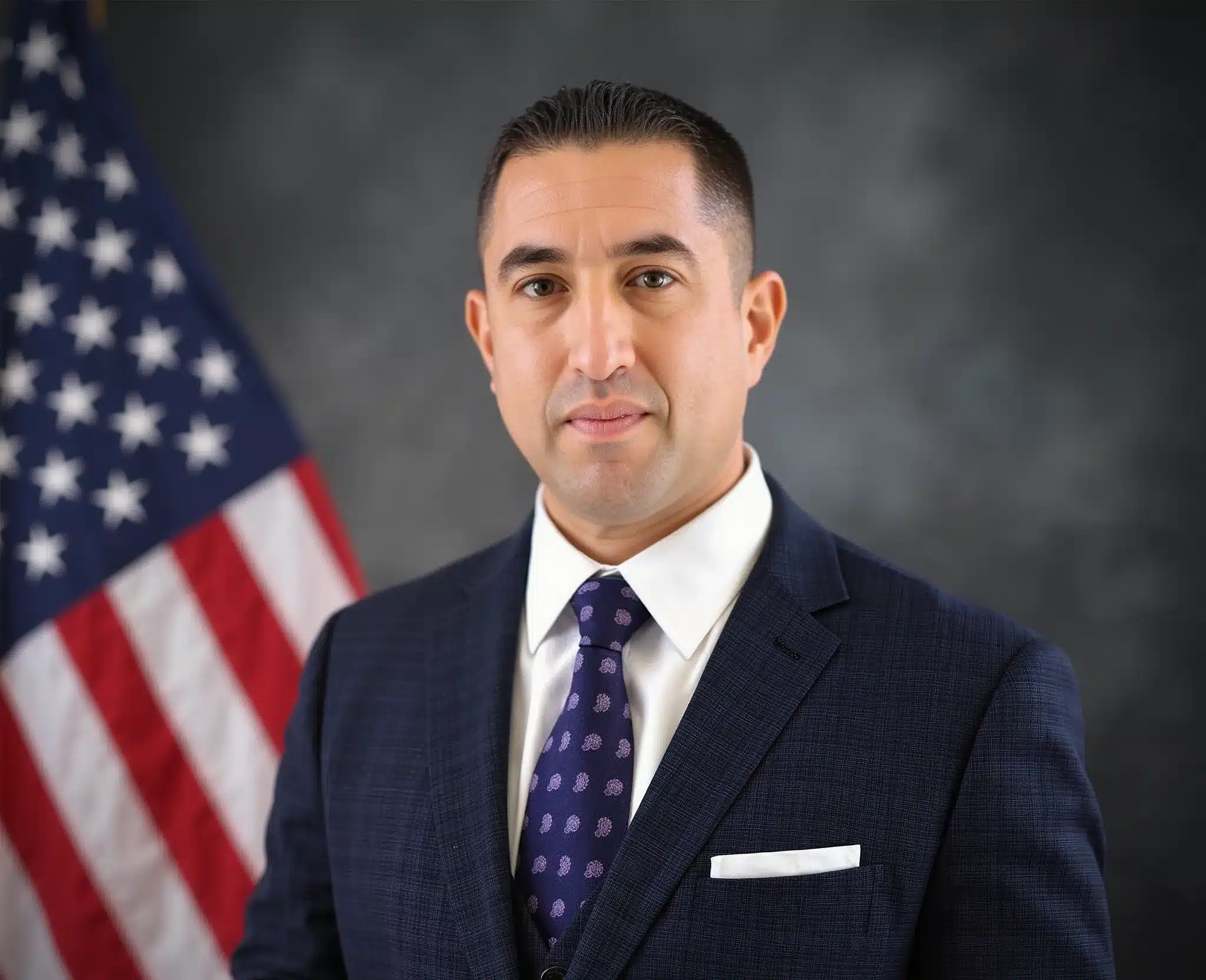
The Law Office of Nabiel C. Ahmed understands how stressful a drug possession or sales accusation can be for you and your family. From the moment you contact our Oakland-based criminal defense firm, serving Albany and the rest of Alameda County, we work to explain the process in plain language and respond to your concerns. We can review the police reports, evaluate potential defenses, and communicate with the court and prosecutor on your behalf. Our goal is to help you move through the legal system with greater confidence and a clear plan.
Choosing a law firm for an Albany drug case is a personal decision. Our office focuses on criminal defense throughout Alameda and Contra Costa Counties, with a strong emphasis on driving-related offenses, drug charges, and DUI matters. We are familiar with local judges, prosecutors, and court procedures, and we understand how drug possession and sales cases are typically handled in Albany. That experience allows us to anticipate potential issues, develop creative strategies, and tailor our advice to the realities of the local system rather than relying on generic approaches.
Clients appreciate that our firm combines assertive courtroom advocacy with practical guidance outside of court. We take time to learn about your work, family, and long-term goals so we can pursue outcomes that make sense for your life, not just your file. Whether we are challenging a traffic stop, negotiating a resolution, or preparing for trial, we keep you informed and involved in decisions. Our commitment is to stand with you at every stage of the case, working to protect your rights, your record, and your future opportunities.
At the Law Office of Nabiel C. Ahmed, our approach to Albany drug possession and sales cases follows a structured but flexible process. We start by listening to your story, reviewing police reports, and identifying immediate concerns such as upcoming court dates or jail release conditions. From there, we analyze the legality of the stop and search, examine the alleged drugs and lab reports, and consider diversion or negotiation possibilities. If necessary, we prepare motions and trial strategies. Throughout, we aim to keep you informed, prepared, and supported as your case moves forward.
The first step in any Albany drug possession or sales case is a detailed consultation. During this stage, our firm reviews the charges, your criminal history, and the basic facts of the stop or search. We look for urgent issues, such as bail conditions or protective orders, and provide guidance on what to do before your first court appearance. This is also when we begin gathering documents, such as the citation, booking sheet, and any paperwork you received from the Albany police or Alameda County jail. Early evaluation helps shape an effective plan.
A strong defense begins with understanding your perspective. In the initial phase, we listen carefully to how the Albany stop or investigation unfolded from your point of view. You may remember details that never make it into the police report, such as what the officer said when approaching the car, how many units were present, and whether you felt pressured to consent to a search. We also discuss your goals, fears, and any special concerns regarding immigration, employment, or family. This information guides our strategy and ensures that our advice fits your life circumstances.
During the first stage, we also examine the formal charges filed in Alameda County court and any upcoming deadlines. Arraignment dates, bail hearings, and protective orders can affect where you live, work, and travel. We explain each charge in plain language, including maximum penalties and potential enhancements. Understanding what you are facing allows us to prioritize steps such as requesting discovery, securing evidence, or contacting witnesses. Addressing these early tasks quickly can help prevent missed court dates, warrants, or unfavorable bail conditions that make defending the case more difficult.
Once the Albany case is filed, we turn to investigation and discovery. Our office obtains police reports, videos, lab results, and any other documents the prosecution plans to use. We compare this material against your account and look for inconsistencies, missing information, or constitutional problems. In many drug possession and sales cases, we explore whether there were issues with the stop, search, or detention that could support a motion to suppress evidence. This stage often shapes negotiations by highlighting the strengths and weaknesses in both the prosecution’s case and the defense.
During the investigative phase, we carefully examine how Albany officers conducted the stop and search. We review body-camera and dash-camera footage when available, looking for discrepancies between the video and the written report. Issues such as prolonged detentions, questionable consent, or inconsistent statements can be important. We also consider whether the chain of custody for the drugs was properly documented and whether lab testing was handled correctly. Any irregularities may provide grounds to challenge the admissibility or reliability of the evidence, which can significantly change the strength of the prosecution’s case.
After reviewing discovery, we decide whether to file motions challenging aspects of the case, such as suppression motions based on illegal stops or searches. These motions can lead to hearings where officers testify, giving us insight into how they may present the case at trial. At the same time, we communicate with the Alameda County District Attorney’s Office to explore possible resolutions. We may present mitigating information, treatment plans, or legal arguments that support reduced charges, diversion, or other favorable outcomes tailored to your situation and priorities.
In the final stage of an Albany drug possession or sales case, we work toward resolution, whether through negotiated agreement or trial. We walk you through the pros and cons of any offers, considering the evidence, your background, and long-term consequences. If the case proceeds toward trial, we prepare witnesses, refine arguments, and develop a clear theme for your defense. After the case concludes, we can advise you on probation compliance, record-cleaning options, and steps to protect your future. Our support does not end the moment the judge strikes the gavel.
As the case moves toward resolution, we review any plea offers with you in detail. That means discussing the likely sentence, probation terms, fines, and collateral consequences such as immigration or licensing issues. We compare the offer against the risks and potential benefits of going to trial in Albany. You receive clear information, not pressure, so you can make informed choices. If trial is the path you choose, we prepare thoroughly, focusing on cross-examining officers, challenging the prosecution’s narrative, and presenting evidence that supports your version of events and raises reasonable doubt.
Even after your Albany drug case is resolved, important work may remain. We help you understand probation requirements, payment plans for fines, and how to avoid violations. When appropriate, we later explore options such as expungement or record reduction to lessen the impact of a conviction on employment and housing. For clients who complete diversion or treatment, we ensure the court receives proof of compliance and that records reflect successful completion. Our aim is to support you beyond the courtroom, helping you move forward with greater stability and peace of mind.
If you are arrested in Albany for drug possession or sales, your first step should be to stay calm and avoid discussing details of the case with police or other inmates. Anything you say can appear in reports or be used against you. Politely state that you want a lawyer and do not consent to any further questioning. If you are released, gather your paperwork, note your next court date, and write down everything you remember about the stop, search, and arrest. Next, contact a criminal defense law firm familiar with Alameda County as soon as possible. Early legal guidance can help you understand the charges, bail conditions, and deadlines. Your attorney can request records, start evaluating the evidence, and advise you on how to handle calls from detectives or prosecutors. Acting quickly also helps protect your rights and improves your chances of finding weaknesses in the prosecution’s case before important decisions must be made.
Yes, seemingly routine Albany traffic stops sometimes turn into serious felony drug cases. An officer may pull a driver over for speeding, lane violations, or equipment issues, then claim to see or smell something that suggests drug use or transportation. If a search follows and officers find larger quantities, packaging, cash, or other items, prosecutors may file possession for sale or transportation charges. These accusations can carry much steeper penalties than simple possession. However, the legality of the stop and search is often a central issue in these cases. If the officer lacked a proper basis to pull you over or exceeded the limits of a lawful search, evidence may be challenged through a suppression motion. A defense lawyer can examine body-camera footage, reports, and witness statements to see whether the officer’s actions complied with constitutional requirements. Successful challenges can sometimes lead to reduced charges or dismissal.
Whether you lose your driver’s license after an Albany drug arrest depends on several factors, including the precise charges and whether driving under the influence of drugs is alleged. Simple possession charges that do not involve driving impairment may not automatically trigger a license suspension, though certain convictions and conditions can still affect your driving privileges. Courts may also impose restrictions as part of probation, such as avoiding driving without valid insurance or obeying all traffic laws. If your case involves DUI with drugs or allegations that you were impaired while driving, separate DMV consequences may apply. In those situations, you might face administrative suspension proceedings with the California DMV in addition to the criminal court case. A criminal defense attorney can help you understand how the charges intersect with DMV rules and whether you have options to challenge a suspension or obtain restricted driving privileges while your case is pending.
In many Albany drug possession cases, particularly those focused on personal use rather than sales, diversion or treatment options may be available under California law. These programs can include counseling, classes, or rehabilitation instead of traditional jail sentences. Successful completion may lead to reduced charges or even dismissal, helping you avoid a permanent conviction on your record. Eligibility often depends on the type of substance, your prior record, and whether violence or sales activity is alleged. Possession for sale or transportation charges can make diversion more challenging, but not always impossible. Sometimes a case can be negotiated down to a possession charge that qualifies for treatment-focused options. A defense lawyer familiar with Alameda County courts can evaluate your eligibility, explain program requirements, and advocate for a resolution that prioritizes recovery and long-term stability. Acting early improves your chances of being considered for these alternatives.
Defenses in Albany drug possession and sales cases often start with challenging the stop, search, and seizure. If officers lacked a valid reason to pull you over, detained you longer than necessary, or searched your car without lawful consent or probable cause, important evidence may be vulnerable to suppression. Questions may also arise about whether the substance was tested correctly, whether it was actually illegal under current California law, and whether the quantity and circumstances support a sales allegation. Other defenses focus on possession itself. Prosecutors must show that you knew about the drugs and had control over them. This can be especially complicated in shared vehicles, borrowed cars, or situations involving multiple passengers. Text messages, social media, and other electronic evidence may also be interpreted in different ways. A careful legal review may reveal alternative explanations, mistaken identity issues, or weaknesses in the prosecution’s interpretation of the facts.
For non-citizens, drug convictions from Albany courts can carry serious immigration consequences, including potential deportation, inadmissibility, or problems renewing or adjusting status. Certain controlled substance offenses, especially those involving sales or distribution, are treated harshly under federal immigration law. Even some diversion arrangements that seem favorable from a criminal perspective may still cause problems, depending on the wording of the plea and the records created. Because immigration law interacts with criminal law in complicated ways, it is very important to tell your defense attorney about your status early in the case. A lawyer can coordinate with immigration counsel or consider plea options that reduce risk, such as avoiding specific admissions or seeking alternative charges where possible. Thoughtful planning may not eliminate all immigration concerns, but it can significantly reduce avoidable harm and improve your chances of staying with your family in the United States.
Police sometimes tell Albany suspects that cooperation or a statement will help their case, but speaking without legal advice can be risky. Anything you say, even if you believe it shows innocence or minimizes your involvement, can be taken out of context or combined with other evidence to support charges. Once a statement has been recorded in a report or interview, it is difficult to undo. Remaining silent and requesting an attorney is a right, not an admission of guilt. If officers or detectives contact you after an arrest or before charges are filed, consider talking with a lawyer before responding. In some cases, it may be wise to decline any interview; in others, limited communication arranged through counsel might be appropriate. A defense attorney can assess whether there is any real benefit to speaking with law enforcement and help you avoid unintentionally putting yourself in a worse position.
Your first court appearance in an Albany drug case, called an arraignment, is where you hear the formal charges against you and enter an initial plea, usually not guilty. The judge may also address bail, release conditions, and future court dates. This hearing is typically not the time when evidence is presented or the case is decided, but it sets the stage for what will happen next. Having a lawyer with you helps ensure that your rights are protected and that you understand what is happening. At or shortly after arraignment, your attorney will begin requesting discovery from the Alameda County District Attorney, including police reports and lab results. In some cases, early discussions with the prosecutor may start, but there is usually no need to rush into a plea at this first appearance. Instead, the focus is on securing your release if possible, confirming the charges, and establishing a timeline for reviewing evidence and preparing your defense.
The length of an Albany drug possession or sales case can vary widely. Some matters resolve within a few months through diversion or negotiated pleas, especially if the facts are straightforward and the parties agree on an outcome. Others, particularly those involving serious sales allegations, multiple defendants, or complex evidence, can take a year or more, especially if there are extensive motions or a trial. Court schedules, lab testing delays, and witness availability all influence the timeline. While a faster resolution may feel appealing, moving too quickly can sometimes mean missing important defenses or better negotiation opportunities. On the other hand, unnecessary delays can create stress and uncertainty. A good approach is to balance thorough preparation with reasonable efficiency. Your attorney can update you regularly, explain why certain hearings are being continued, and help you understand what needs to happen before the case can fairly be resolved.
The cost of hiring a lawyer for an Albany drug case depends on several factors, including the seriousness of the charges, whether the case involves sales or simple possession, and how much investigation and motion work is expected. Felony sales or transportation cases with potential trials generally require more time and resources than straightforward possession charges that may be resolved through diversion. Many criminal defense firms offer flat fees or staged fees that cover different phases of the case. During an initial consultation, you can discuss fees, payment plans, and what services are included. It is wise to ask about costs for investigation, experts, or trial should they become necessary. While hiring a lawyer is an investment, the potential consequences of a drug conviction in Albany—jail time, fines, immigration issues, and long-term record problems—are significant. Clear communication about cost at the outset helps you plan and avoid surprises later in the process.
"*" indicates required fields